How to Choose Hypoallergenic Materials for Amigurumi Toys
Introduction
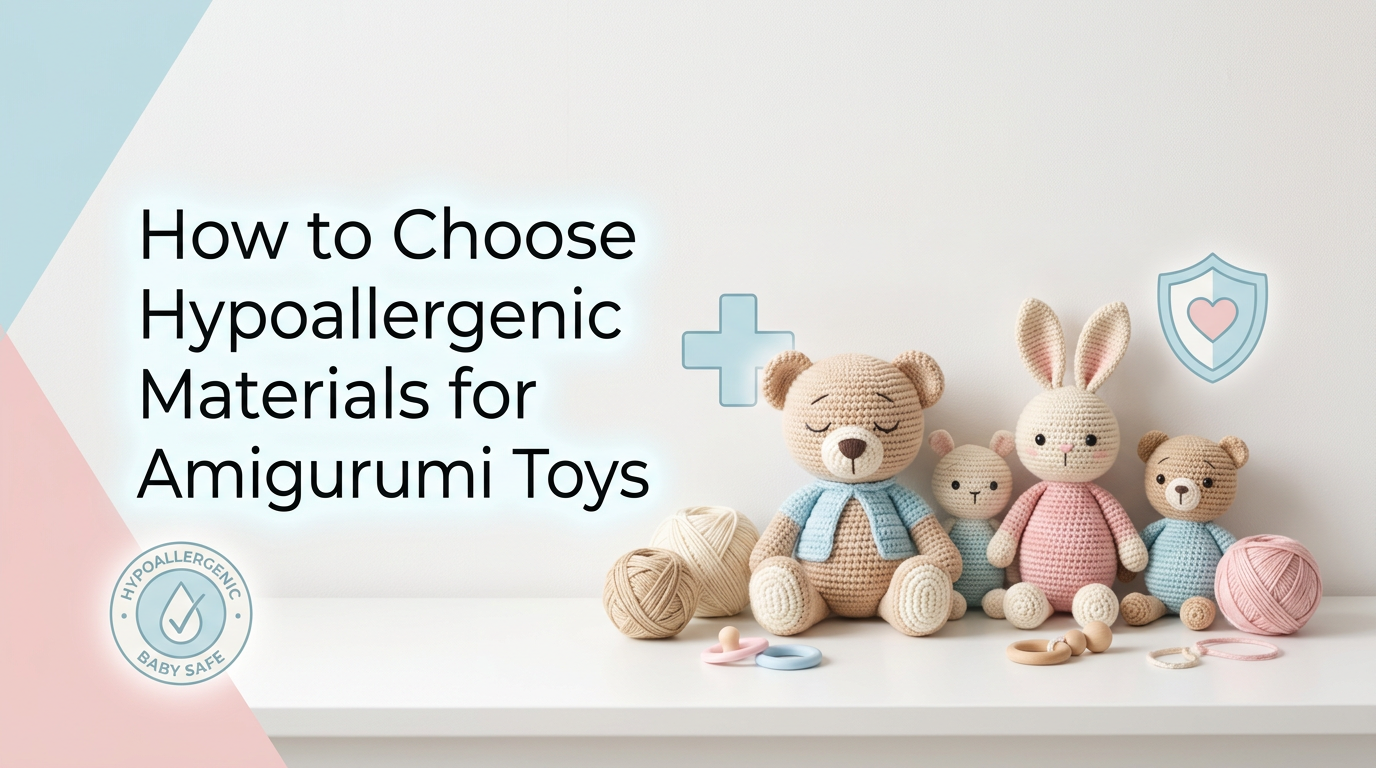
Amigurumi toys frequently end up in the hands of infants, toddlers, and individuals with sensitive skin or respiratory conditions. For these recipients, the choice of materials determines not only the toy’s durability and appearance but also its safety for regular contact with skin and mouth. Hypoallergenic materials minimize the risk of allergic reactions, skin irritation, and respiratory discomfort, making them essential for any amigurumi project intended for vulnerable users. Understanding what makes a material hypoallergenic, how to identify potential allergens, and which fibers and fillings offer the greatest safety allows crocheters to create toys that bring joy without unintended harm.
Understanding Hypoallergenic Materials
A hypoallergenic material is one that causes fewer allergic reactions in the general population compared to alternatives. No fiber is truly non-allergenic for every individual, as sensitivities vary widely. However, certain materials have well-documented low rates of adverse reactions and are widely accepted as safe for sensitive individuals. The key characteristics of hypoallergenic fibers include the absence of common protein allergens found in animal fibers, minimal chemical treatments during processing, smooth fiber surfaces that reduce mechanical irritation, and resistance to dust mites and mold growth.
Safe Fiber Options
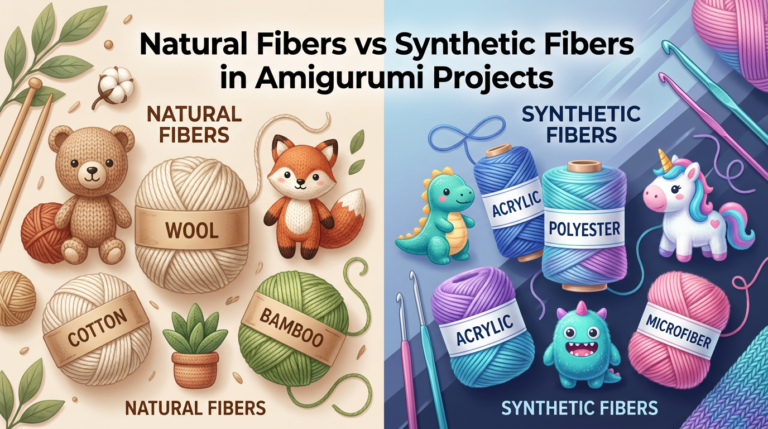
Organic Cotton leads the list of hypoallergenic choices for amigurumi. The absence of pesticides, herbicides, and chemical defoliants during cultivation eliminates residues that can trigger contact dermatitis. The short, smooth fibers of cotton do not shed scales that can become airborne and irritate respiratory passages. Organic cotton also withstands frequent washing at high temperatures, allowing thorough cleaning that removes accumulated allergens such as dust mite waste and pollen.
Bamboo Yarn provides another hypoallergenic option with added benefits. The fiber contains natural antibacterial compounds that inhibit the growth of mold and bacteria, reducing the accumulation of biological allergens. Bamboo’s smooth surface minimizes friction against sensitive skin, and the fiber does not contain the lanolin or keratin proteins that trigger wool allergies.
Hypoallergenic Acrylic Yarn labeled as hypoallergenic can be safe for many individuals, provided it meets strict manufacturing standards. High-quality acrylic fibers undergo washing processes that remove residual monomers and chemical processing agents. However, some individuals with extreme sensitivities react to the synthetic nature of acrylic, and the fiber’s tendency to generate static electricity can attract dust and airborne allergens.
Tencel and Lyocell represent manufactured fibers derived from wood pulp processed in a closed-loop system that recovers and reuses solvents. These fibers are exceptionally smooth, free from chemical residues, and breathable, making them excellent choices for sensitive skin. Tencel’s moisture management properties also reduce the humid environment that encourages dust mite proliferation.
Identifying Common Allergens
Lanolin present in untreated wool triggers reactions in approximately 1% to 3% of the population, causing contact dermatitis characterized by redness, itching, and raised welts. Keratin Proteins in all animal fibers can cause respiratory sensitivity when fibers shed microscopic scales into the air. Chemical Residues from yarn manufacturing processes, including bleaching agents, optical brighteners, and dye fixatives, can irritate skin even when the base fiber is otherwise hypoallergenic. Formaldehyde sometimes used in anti-shrinkage treatments for wool and cotton blends poses particular concern for toys intended for infants. Latex occasionally appears in elastic components of yarns marketed as stretchy, and represents a significant allergen for individuals with latex sensitivity.
Tips for Choosing Hypoallergenic Materials
Read yarn labels thoroughly for fiber content percentages and processing treatments. Look for certifications such as GOTS (Global Organic Textile Standard), OEKO-TEX Standard 100, and ASTM F963 compliance for children’s products. Choose yarns that specify “low dust” or “anti-allergenic” processing. Wash yarn samples before use to remove surface residues and assess whether any irritation occurs with skin contact. For recipients with known allergies, request a small test piece crocheted from the proposed materials and allow several days of contact before committing to the full project.
Safe Stuffing and Embellishments
Hypoallergenic amigurumi requires attention not only to the yarn but also to filling materials and decorative elements. Polyester fiberfill labeled as hypoallergenic offers a safe, washable option that resists mold and dust mite colonization. Natural wool stuffing should be avoided for sensitive individuals, as residual lanolin and keratin can trigger reactions. For embellishments, choose plastic safety eyes with smooth seams that cannot trap allergens, or embroider features using the same hypoallergenic yarn to eliminate foreign materials entirely.
Production Practices for Allergy Safety
Beyond material selection, production practices significantly affect the final allergen profile of finished amigurumi. Wash hands thoroughly before handling materials to avoid transferring skin oils and environmental allergens. Work in a clean, dust-free environment. Avoid perfumes, fabric softeners, and smoking in areas where hypoallergenic amigurumi are produced. After completion, wash the finished toy in warm water with a mild, fragrance-free detergent and dry completely before gifting. Package the toy in a clean, sealed bag with a note listing the materials used, allowing the recipient’s caregiver to make informed decisions.
Conclusion
Choosing hypoallergenic materials for amigurumi toys requires careful attention to fiber properties, manufacturing processes, and production practices. Organic cotton, bamboo yarn, high-quality acrylic, and Tencel offer safe foundations for projects intended for sensitive individuals. By understanding common allergens, reading certifications, and adopting clean production habits, crocheters can create amigurumi that are as safe as they are adorable. The extra effort invested in material selection ensures that the joy of receiving a handmade toy is not overshadowed by discomfort or allergic reaction, making every stitch a gesture of care.
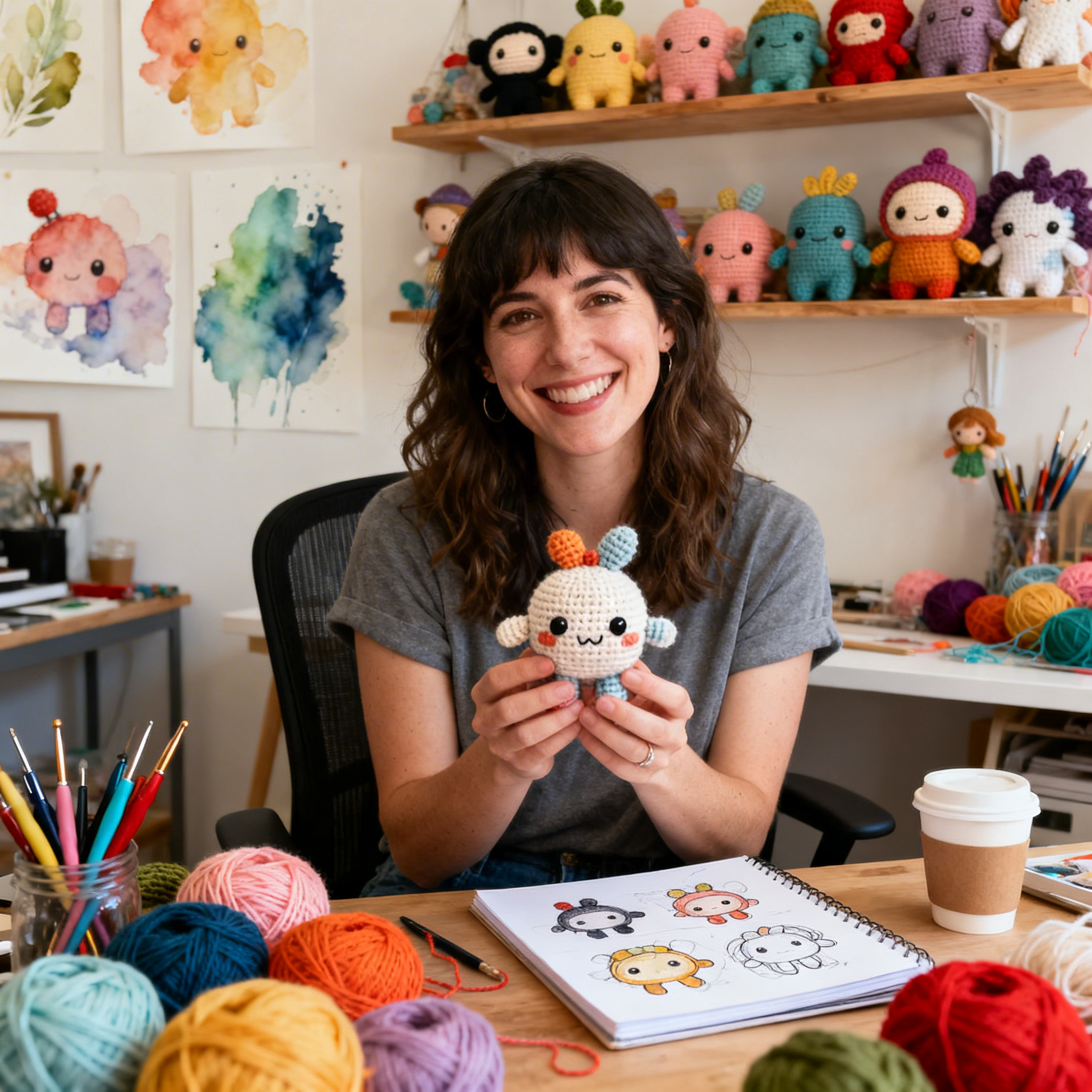
Clara Fern — Crochet Artist & Amigurumi Designer
Clara Fern is a crochet artist and amigurumi designer based in Austin, Texas. With 9 years of experience working with yarn and hook, she transformed a lifelong passion for handcraft into a creative mission: making amigurumi accessible, fun, and deeply rewarding for crafters of all levels.
Clara discovered amigurumi during a trip to Japan in 2017, where she fell in love with the art of bringing tiny characters to life through crochet. Back home in Texas, she spent years studying color theory, design principles, and advanced crochet techniques — developing her own signature style that blends kawaii aesthetics with original character design.
Through maclafersa.com, Clara shares everything she has learned — from choosing the right yarn and reading your first pattern, to designing fully original amigurumi characters from scratch. Her writing is known for being clear, detailed, and genuinely helpful, with no steps skipped and no secrets kept.
When she’s not crocheting, Clara enjoys watercolor painting, visiting local yarn shops, and drinking way too much coffee while sketching new character ideas.