How to Crochet an Amigurumi Christmas Tree: Free Pattern
Pick the right yarn and hook for your tree
Choosing the right materials makes your amigurumi Christmas tree come to life quickly. You’ll notice the difference in texture, sturdiness, and how easy it is to sew pieces together. Start with a yarn that gives you neat stitches and a hook that matches your tightness. If you’re unsure, choose a medium-weight yarn to avoid fighting with the fabric. Your goal is a clean, compact fabric that holds its shape when you stuff the tree.
Your yarn color matters too. Bright greens look festive, but you can mix creamy whites for snow tips or gold for tiny garlands. Use a yarn that doesn’t shed too much lint, so stitches stay crisp. Remember, your tree will be handled, admired, and possibly gifted, so durability matters. If you’re a beginner, opt for a forgiving acrylic that’s easy to see in your stitches and quick to work with.
Grab a few swatches. Crochet small squares in different yarns to feel how they flow with your hook. If a yarn splits or feels stiff, it’s not the right match. You want a yarn that slides smoothly and keeps stitches uniform. The right pick helps you finish faster and enjoy every stitch of your tree.
Best yarn types for amigurumi
- Acrylic: Beginner-friendly and budget-friendly. Easy to wash, with many shades to build a colorful tree quickly. May feel a bit stiff at first, but softens after a few rows, making acrylic a solid classic choice.
- Cotton: Tight, crisper stitches, great for small details like leaves or tiny decorations. Sturdy and keeps shape well, but can be tougher for beginners. If using cotton, choose a medium weight to keep progress smooth.
- Blends: Combine the best of both worlds. Look for blends with a touch of stretch or softness. A cotton-acrylic blend can feel plush while keeping neat stitches.
- Yarn weight: For a tree, DK or worsted weight provides a balanced stitch—not too bulky, not too thin. Helps the tree stand up without extra stiffeners. For tiny ornaments, consider a lighter weight to keep the look gentle.
Choose the correct hook size
Hook size affects how tight or loose your stitches are. If stitches are chunky with gaps, the hook is likely too small; if the fabric is loose and floppy, the hook is probably too big. For a tree, you want a snug fabric so stuffing doesn’t show through and the shape holds.
Most amigurumi patterns use a smaller hook than the yarn label suggests to create tight stitches that keep stuffing in place. Start with the pattern’s recommendation and adjust by a half size if needed. Practice swatches with your yarn and hook to dial in the perfect tension.
Also check your gauge. A quick measure can save hours of rework later. If your tree leans after stuffing, you may need to tighten stitches or switch to a smaller hook.
Gather safety eyes and stuffing
Safety eyes and stuffing bring your amigurumi tree to life without sacrificing safety. Choose eyes that fit the scale and have secure backings. For a child, safety eyes are a must; you might sew on small decorations instead of eyes. Attach eyes with fabric glue and a small stitch for extra security.
For stuffing, use synthetic polyfill or cotton batting. You want plush feel with enough resilience to hold shape after stuffing. Don’t overfill; aim for a tight shape so stitches stay neat and the tree doesn’t look bloated. If aiming for a firm trunk, press stuffing gently and shape as you go.
Learn the key amigurumi stitches you need
Amigurumi relies on small, tight stitches to keep stuffing from showing. Start with simple single crochet stitches—they’re dense and controllable. Practice keeping tension even to avoid wobble. As you crochet, you’ll notice how the yarn sits in your hands and how your hook size affects the fabric.
Next, learn increases and decreases to shape your tree. Increases widen a round; invisible decreases keep seam lines discreet. This balance creates smooth curves. Turning corners may be tricky at first, but steady hands keep the fabric consistent.
Finally, color changes can be clean and fast. Plan ahead and twist yarn tails to hide them inside your work, carrying colors when needed to minimize ends. Keeping a small waste yarn handy helps count stitches without breaking your flow. With these skills, your projects go from cute to professional-looking quickly.
How to crochet amigurumi Christmas tree basics
Begin with a tight base, then coil up into a cone shape. Use a magic ring to close the center so the tree doesn’t flatten at the top. As you change colors for stars or ornaments, tuck in ends neatly and keep rounds even. If you drop a stitch, lift it back up and reseat your yarn. Consistent tension keeps your tree tall and sturdy.
In the middle rounds, increase evenly to form the cone. Count stitches as you go and pause to ensure the circle isn’t flattening. The magic ring prevents a central hole, keeping the tree neat. When you reach the right height, switch to a gather stitch or slip stitch to finish the tip cleanly. Weave in ends and add a tiny star for a charming centerpiece.
Use magic ring and invisible decrease
Use a magic ring so the starting space closes neatly, avoiding a visible hole. Keep the ring snug as you work. When you finish a round, snug the tail to seal tiny gaps and weave the end later for a clean finish. The invisible decrease helps shaping stay smooth, giving your amigurumi a professional look.
Invisible decreases pass one stitch through the front loops, then complete the decrease in the back loops. This keeps seams nearly invisible along the surface—perfect for the tree tip, head, or limbs. Practice a few rounds to feel the rhythm.
Practice single crochet and increases
Single crochet in every round builds a tight fabric. Maintain a steady angle with your hook and avoid pulling too hard. If stitches stretch, ease back a little. For increases, add two stitches in one stitch to widen the round, shaping the body and limbs without lumps. With practice, your stitches become invisible and your tree stays solid and cute.
Use a free amigurumi Christmas tree pattern
A free amigurumi Christmas tree pattern can turn simple yarn into a cozy centerpiece. Free patterns often come with clear, step-by-step instructions you can trust. Pick colors you already have so your tree matches your decor or the recipient’s favorites. Create a small, soft toy that doubles as a holiday keepsake.
A free pattern is a fast path from idea to finished project. It can be tweaked to fit your yarn weight and hook size. Personalize the texture, height, and decorations for a gift that feels handmade. Stay organized by noting row counts, stitch totals, and color changes so you can recreate the look later. A well-structured free pattern can feel complete and professional, not flimsy.
Step by step amigurumi tree crochet
Choose the size of your tree and the yarn you’ll use. Crochet a circular base, then build up with increases to form a cone. Finish with a small trunk and a few tiny ornaments if you like. Follow a simple sequence: chain, join, single crochet around, then increase to widen. Watch color changes if adding stripes or decorations. Keep tension steady so the tree holds its shape. If you mess up, frog back a few stitches and try again.
Keep your pattern handy as you go, marking each row. Verify stitch totals for evenness. Test the stability by standing the tree upright; if it wobbles, adjust the base or add a bit of weight. Persistence pays off with a neat, stylish tree.
Easy amigurumi Christmas tree tutorial
This project goes quickly, especially on busy days. Choose a color palette you love and start with a small, sturdy base. Build the body in rounds, shaping as you go to form the cone. Add a tiny star or topper in a contrasting color. Work row by row, counting as you go, and admire the forming texture. Add a few tassels or beads for simple decoration. Finish with a gentle squeeze to set the stitches, then photo it to share.
You’ll see how your yarn bits turn into a festive tree. You might even want a second version in a different color for a mini forest on your mantel.
Try a beginner friendly amigurumi tree pattern for you
This start-to-finish project fits into your crochet journey, offering quick progress with simple shapes and clear steps. As you work, you’ll gain confidence and steadier stitches. By the end, you’ll have a cute tree you can gift or display. If unsure, slow down and count stitches—tiny checks save big frustration later.
This approach uses basic stitches and a steady rhythm. A light yarn and small hook keep the final tree neat and compact. With practice, you’ll spot patterns in the stitches and your hands will remember what to do next.
Keep this mindset: every small round is a win. If your first attempt isn’t perfect, tweak the size or color for a new version—the fun is in the process.
Simple pattern layout for new crocheters
Start with a tight, secure slip knot and chain a few stitches for the base. Work in rounds, increasing evenly to keep the tree spherical. Mark your first stitch of each round to stay on track. Add trunk and a tiny topper in contrasting color, then switch back to the main color for leaves. Move at a steady pace; if you stumble, count and resume from the marked stitch.
Tips to read basic amigurumi abbreviations
Common terms: sc = single crochet; inc = increase (two in one); dec = decrease (two stitches merged). A simple pattern uses these tricks to keep the tree round and sturdy. Keep a tiny note card with your key abbreviations. Cross out the ones you use most for quick reference. If something reads unclear, translate it into simple steps: where to insert the hook, how many times to yarn over, and where to pull through. Practice makes the language your own.
Start with a small crochet Christmas tree pattern
This mini tree fits on a shelf or desk and introduces amigurumi shaping. Start with a small circle for the top and work down in rounds, widening gradually into a gentle cone. Finish with a neat tip and a little embellishment—perhaps a star or bead. Weave in ends cleanly for a neat finish.
As you grow more comfortable with the rhythm, your stitches become more even and color transitions smoother. This compact version is a solid first project that proves you can crochet something cute and keep it simple.
How to Crochet an Amigurumi Christmas Tree: Free Pattern
You’ll find steps laid out in easy, short lines so you can follow without getting lost. The pattern uses beginner-friendly techniques and a calm pace that respects your growing skills. By the end, you’ll have a tiny tree you can proudly display or gift.
To customize, swap colors, use felt stars, or add tiny beads as lights. The pattern guides you through basic stitches first, then shows how to add finishing touches. Keep colors cohesive with your decor, or go bold with bright confetti hues for a playful scene. Either way, you’ll end with a printable tree you can gift or display.
Find free printable amigurumi tree patterns for you
Choose trusted sites, print safely, and respect licenses as you gather free patterns. Look for clear photos, step-by-step instructions, and printable PDFs. These cues help you follow along easily and recreate the look later.
Bookmark patterns with user comments or photos to spark ideas about color and size. Save a few favorites to compare later. Print a single pattern at a time to stay focused and carry the pattern with you for on-the-go crochet.
Trusted sites for free amigurumi Christmas tree pattern
Look for sites with clear photos, step-by-step instructions, and printable PDFs. Patterns from trusted amigurumi blogs or craft communities tend to offer reliable guidance and licensing notes. Credits and pattern licenses protect creators and help you crochet confidently.
How to print and save patterns safely
Download the PDF from a trusted site, then save copies to your device and cloud or USB. Keep backups so progress isn’t lost. Print with clean settings and keep extra pages for notes. Organize your patterns by project type or size, e.g., Amigurumi Christmas Trees. A printed pattern can stay in your yarn bag for easy reference.
Check pattern license and credits
Always check the pattern license and credits before you start. Look for clear use notes (personal use vs. sharing allowances). Credits tell you who designed the pattern and where to find more work. Respect licenses to support creators.
How to crochet an amigurumi Christmas tree free pattern
When you dive into How to Crochet an Amigurumi Christmas Tree: Free Pattern, you’ll find step-by-step directions that feel doable for beginners. Start with the basic cone shape and base, then layer on colors or tiny ornaments. The free pattern usually includes stitch counts, photos, and tension notes you can copy into your project journal. You’ll see progress as each round forms the triangle.
If you want customization, swap colors, switch to felt stars, or add beads as lights. The pattern guides you through basic stitches first, then finishing touches. Keep colors cohesive or go bold with bright hues for a playful scene. You’ll end up with a sweet, printable tree you can gift or display.
Find free printable amigurumi tree patterns for you (repeat)
You’ve got a clear path now: pick trusted sites, print safely, and respect licenses as you gather your free amigurumi tree patterns. With a little planning, you’ll assemble a charming trio or a full mini forest that lights up your space. Your future self will appreciate having printed patterns ready, and your hands will enjoy the simple rhythm of each stitch. Enjoy crafting your own tiny holiday magic with patterns that fit your style and pace.
Additional notes
- If you’re crocheting with kids nearby, a compact version can be safer and easier for little hands to admire up close. Your tree should feel balanced from tip to base, not top-heavy or floppy.
- Aim for a safe, kid-friendly finish: hide ends well, avoid small beads that could be choking hazards, and secure any wires or stiffeners inside.
Quick finishing tips for a polished gift
- Fasten off cleanly and weave tails into the inside of the tree.
- Use child-safe eyes or embroidered features if needed.
- Wash and block before gifting to set the shape and ensure a neat look.
- Add a loop at the top for hanging with a secure knot and hidden ends.
Decorate your tree with beads and stars
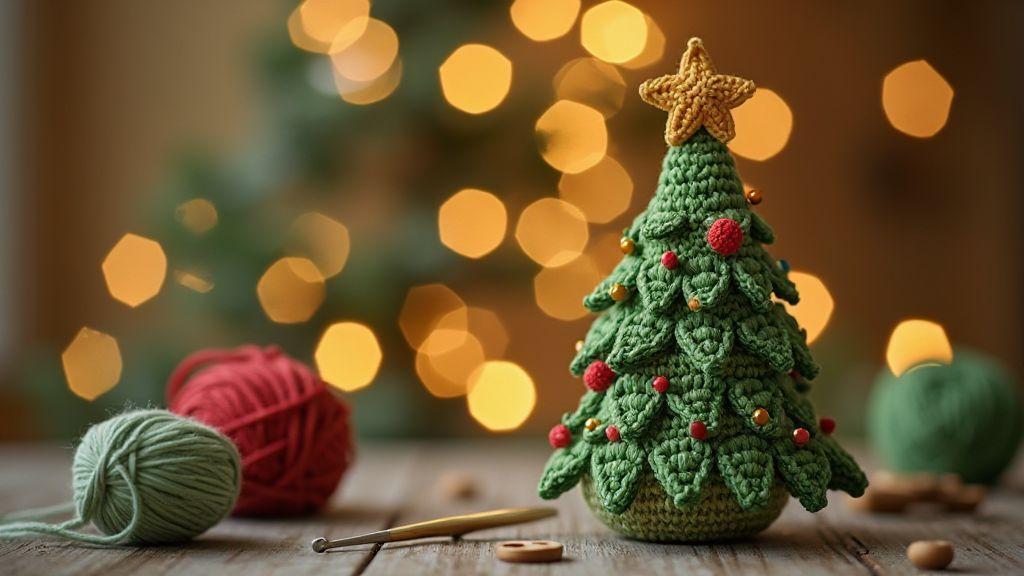
Thread mixed-size beads for texture and use star shapes for topper accents. Place larger beads toward the top for light-catching detail. Balance with a few smaller beads throughout the branches. Secure beads with thin floral wire when needed and gently shake the tree to ensure everything stays in place. This creates a polished, twinkling display that’s kid-safe and charming.
Tiny garlands and bead placement
String short garlands and weave along branch edges. Start near the base, then rise to higher positions for depth. If beads are scarce, loop a single garland around the tree to mimic multiple strands. Choose colors to create a lively rhythm without overpowering the greens.
Make a felt or crocheted star topper
A felt or crocheted star topper adds handmade charm. Felt stars can be layered for thickness or crocheted stars for a quick finish. Attach using a small loop or ribbon, and optionally stuff lightly to elevate the star above the tips of the branches. A touch of a bead at the center adds a personal finish.
Sew on sequins and buttons safely
Sew sequins and buttons with small, sturdy stitches. Choose flat, smooth buttons and sew with a neutral knot. Double-knot threads and trim to keep things neat and safe, especially around kids.
Find free printable amigurumi tree patterns for you (final note)
A curated approach helps you build a tiny forest of trees that fit your space and mood. The patterns you choose can be printed, organized, and practiced anywhere, turning your crochet into a festive display you’re proud of.
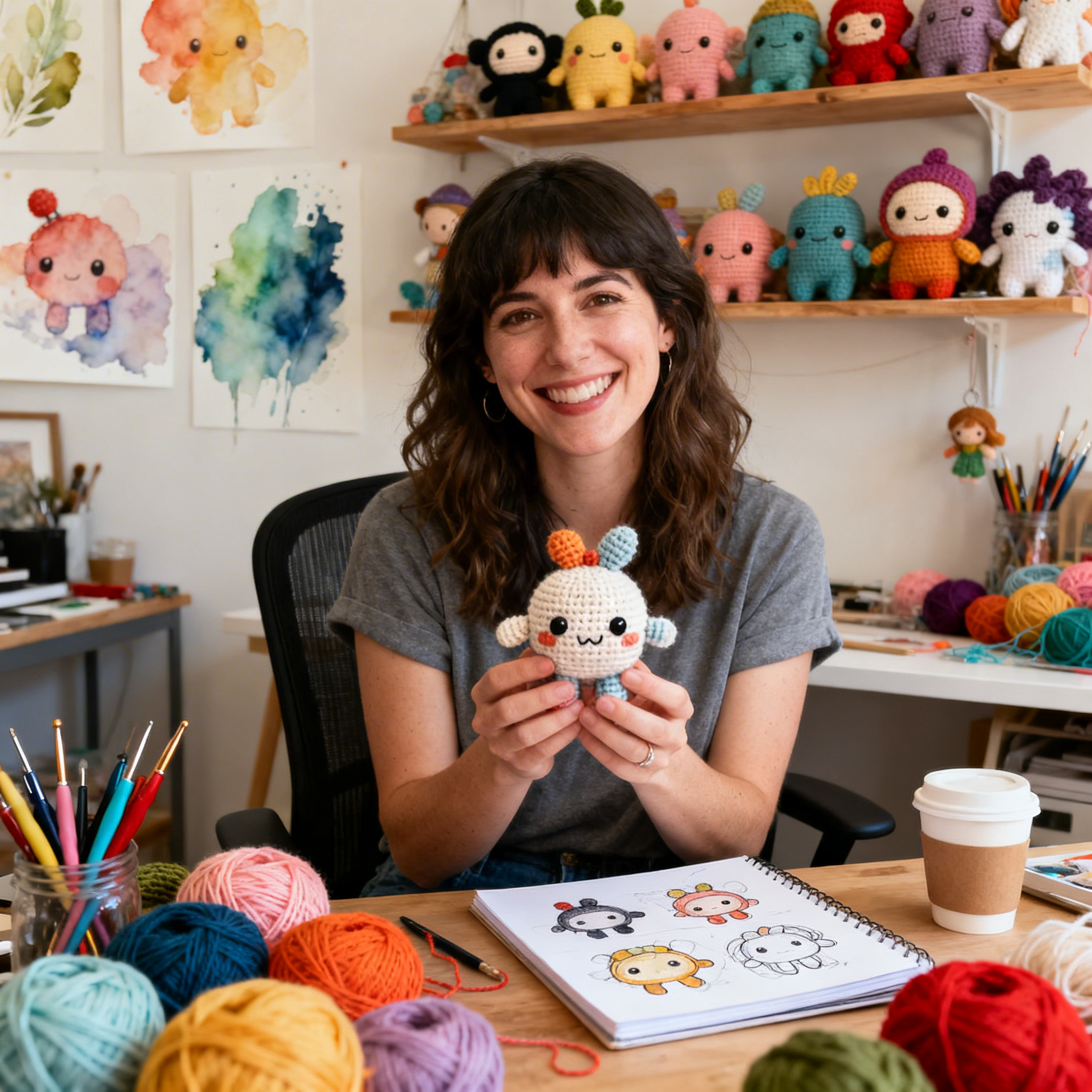
Clara Fern — Crochet Artist & Amigurumi Designer
Clara Fern is a crochet artist and amigurumi designer based in Austin, Texas. With 9 years of experience working with yarn and hook, she transformed a lifelong passion for handcraft into a creative mission: making amigurumi accessible, fun, and deeply rewarding for crafters of all levels.
Clara discovered amigurumi during a trip to Japan in 2017, where she fell in love with the art of bringing tiny characters to life through crochet. Back home in Texas, she spent years studying color theory, design principles, and advanced crochet techniques — developing her own signature style that blends kawaii aesthetics with original character design.
Through maclafersa.com, Clara shares everything she has learned — from choosing the right yarn and reading your first pattern, to designing fully original amigurumi characters from scratch. Her writing is known for being clear, detailed, and genuinely helpful, with no steps skipped and no secrets kept.
When she’s not crocheting, Clara enjoys watercolor painting, visiting local yarn shops, and drinking way too much coffee while sketching new character ideas.