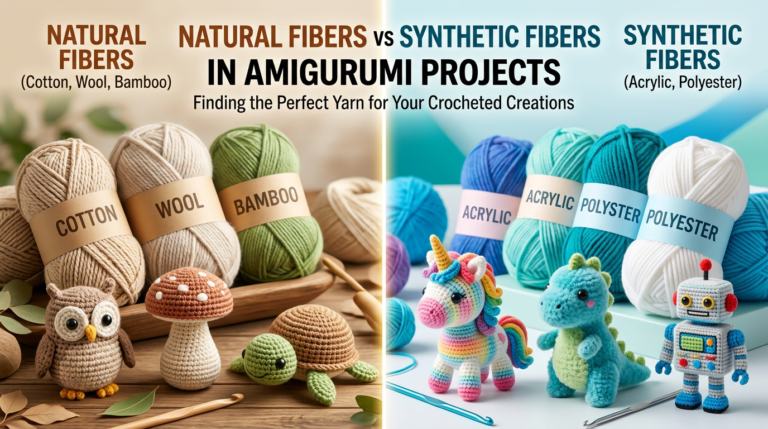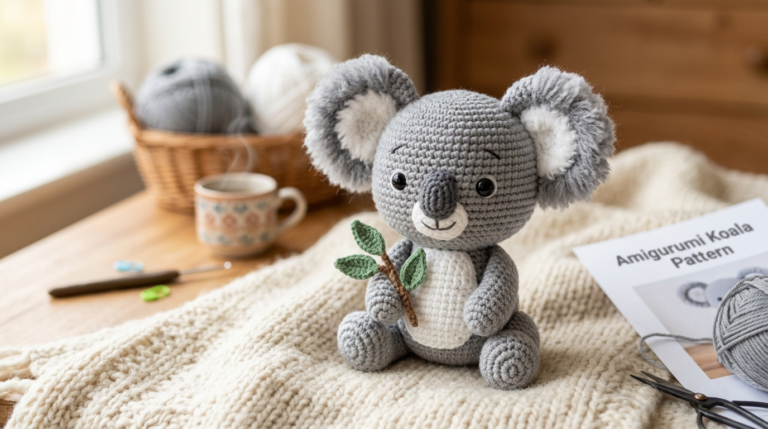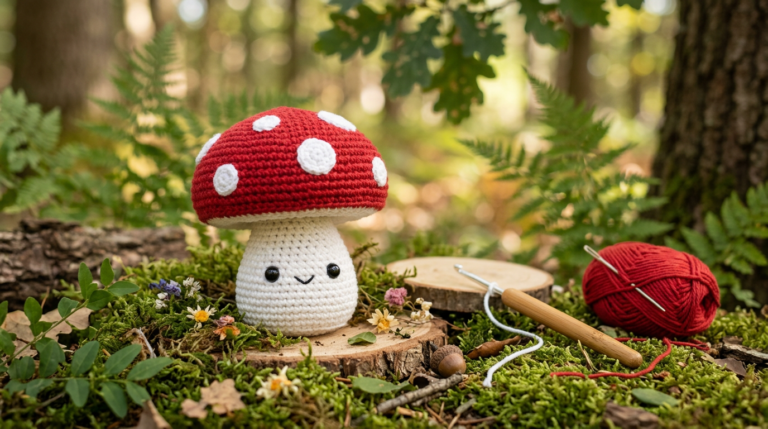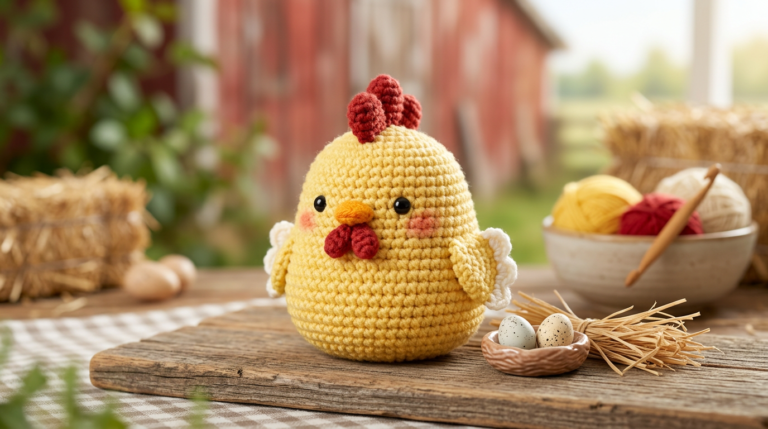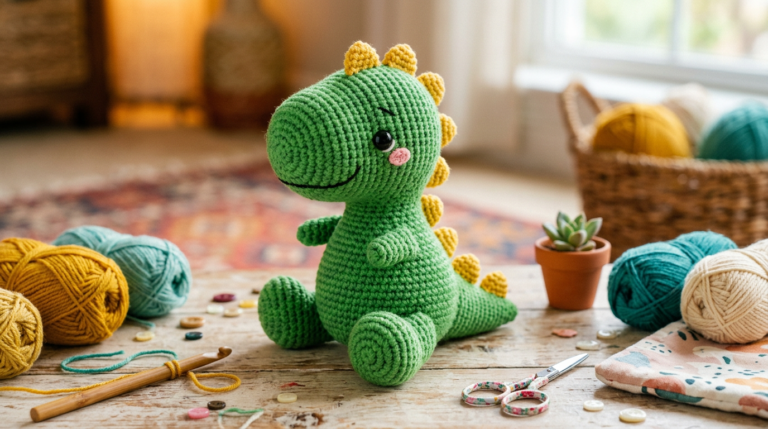
Natural Fibers vs Synthetic Fibers in Amigurumi Projects

Introduction The choice between natural and synthetic fibers represents one of the most fundamental decisions an amigurumi maker faces. Each category offers distinct properties that affect stitch definition, durability, care requirements, cost, and environmental impact. Natural fibers such as cotton, wool, and bamboo connect crafters to millennia of textile tradition, while synthetic options including acrylic, …

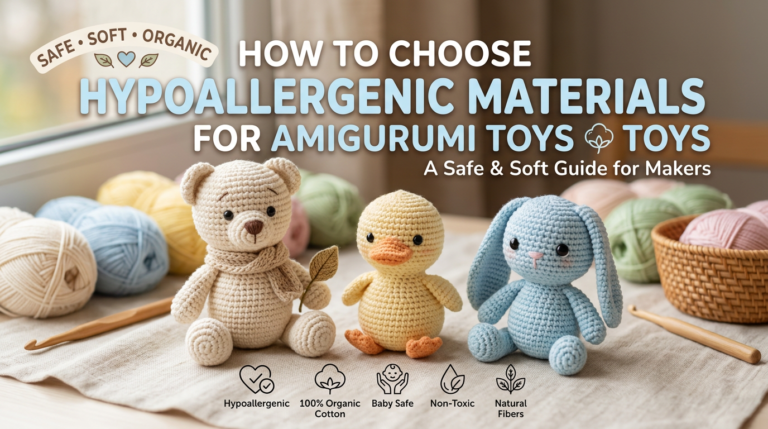
How to Choose Hypoallergenic Materials for Amigurumi Toys

Introduction Amigurumi toys frequently end up in the hands of infants, toddlers, and individuals with sensitive skin or respiratory conditions. For these recipients, the choice of materials determines not only the toy’s durability and appearance but also its safety for regular contact with skin and mouth. Hypoallergenic materials minimize the risk of allergic reactions, skin …

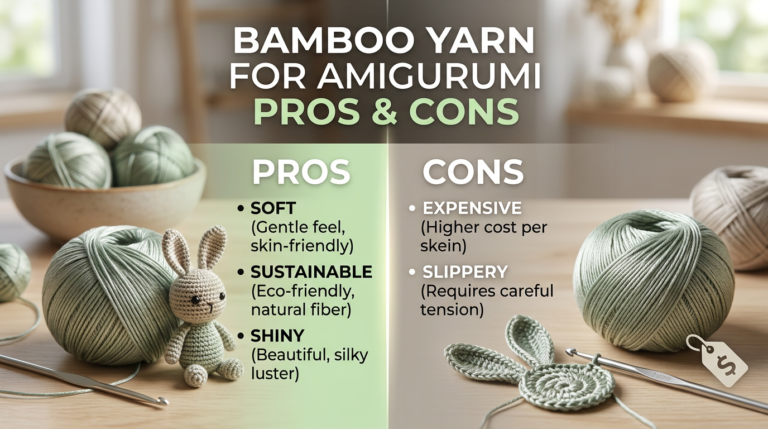
Bamboo Yarn for Amigurumi: Pros and Cons

Introduction Bamboo yarn has emerged as a favored alternative among crocheters seeking natural fibers with unique performance characteristics. Made from the pulp of bamboo grass through a mechanical or chemical process, this yarn offers a combination of softness, drape, and environmental appeal that distinguishes it from both traditional cotton and synthetic options. For amigurumi makers, …

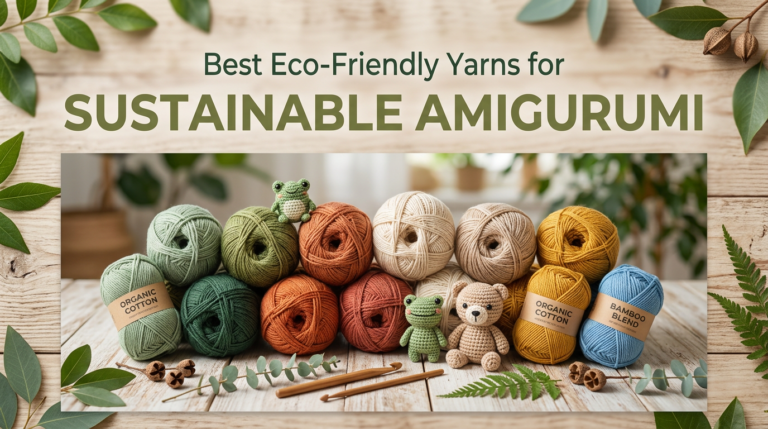
Best Eco-Friendly Yarns for Sustainable Amigurumi

Introduction The global craft community has increasingly turned its attention toward sustainability, and amigurumi is no exception. As makers who create cherished toys that often end up in children’s hands or as long-lasting keepsakes, the choice of yarn carries both environmental and ethical significance. Conventional acrylic yarns, while affordable and widely available, are derived from …