How Storytelling Improves Amigurumi Character Design
Introduction
The most memorable and beloved amigurumi characters are those with compelling stories. Storytelling transforms amigurumi from simple crafted objects into characters with depth, personality, and emotional resonance. A character with a backstory, motivations, and relationships feels more real and relatable than a character that exists only as a visual design. This article explores how storytelling enhances amigurumi character design, examining successful examples and providing a framework for integrating narrative elements into your character development process.
Understanding Character Storytelling
Storytelling in character design involves creating narrative elements that give characters depth and context. This might include backstory (where the character comes from, what experiences shaped them), personality traits (how the character behaves and interacts with others), motivations (what the character wants and why), relationships (how the character connects with other characters), and arc (how the character changes and grows).
Storytelling serves multiple functions in character design. It creates emotional connection—we care more about characters we understand and relate to. It creates memorability—characters with stories are more memorable than characters without context. It creates engagement—audiences want to learn more about characters with compelling stories. It creates marketing opportunities—character stories provide content for social media, blogs, and other marketing channels.
Developing Character Backstory
A compelling backstory gives characters depth and context. The backstory doesn’t need to be complex or lengthy—even simple backstory elements create emotional connection.
Origin Story: Where does the character come from? What is their home like? What family or community do they belong to? A simple origin story—”a shy forest creature who loves collecting mushrooms”—provides context that informs character design and personality.
Formative Experiences: What experiences shaped the character? Did they overcome challenges? Develop special skills? Experience loss or joy? Formative experiences create depth and explain character motivations.
Current Situation: What is the character’s current situation? Are they on a journey? Searching for something? Building a new life? Current situation creates narrative momentum and engagement.
Secrets and Mysteries: What doesn’t the character want others to know? What are they hiding or struggling with? Secrets and mysteries create intrigue and encourage audiences to engage more deeply with the character.
Creating Distinctive Personality Traits
Personality traits make characters feel real and relatable. Distinctive personality traits also inform design decisions—a shy character might have a different expression or posture than a confident character.
Core Personality: Define the character’s core personality. Are they optimistic or pessimistic? Outgoing or introverted? Serious or playful? Brave or cautious? Core personality informs how the character interacts with the world.
Quirks and Habits: Give characters distinctive quirks and habits. Does the character have a nervous habit? A favorite activity? A unique way of speaking? Quirks make characters feel real and memorable.
Strengths and Weaknesses: Define character strengths and weaknesses. A character might be brave but impulsive, or kind but naive. Strengths and weaknesses create complexity and make characters feel realistic.
Emotional Range: Show characters experiencing different emotions. A character that only expresses one emotion feels flat. Characters that experience joy, sadness, anger, and fear feel more real and relatable.
Building Character Relationships
Characters don’t exist in isolation—they exist in relationship to other characters. Relationships create narrative opportunities and deepen emotional engagement.
Family Relationships: Define family relationships. Is the character part of a family? What are their relationships with family members? Family relationships create emotional context and narrative opportunities.
Friendships: Define friendships and relationships with other characters. Do characters have best friends? Rivals? Mentors? Relationships create narrative opportunities and encourage audiences to engage with multiple characters.
Community Connections: Define how characters connect to their communities. Are they central to their community or on the margins? Do they have specific roles or responsibilities? Community connections create context and narrative opportunities.
Romantic Relationships: For characters where appropriate, define romantic relationships. Romantic relationships create emotional depth and narrative opportunities.
Translating Story Into Design
The most effective character design translates narrative elements into visual form. Story informs design decisions about appearance, expression, accessories, and overall aesthetic.
Expression and Posture: Translate personality traits into expression and posture. A confident character might have an upright posture and a bold expression. A shy character might have a hunched posture and a gentle expression. A playful character might have a dynamic pose suggesting movement.
Color and Aesthetic: Translate character personality and backstory into color and aesthetic choices. A character from a forest might feature green and brown colors and nature-inspired design elements. A character from a magical realm might feature iridescent colors and fantastical design elements.
Accessories and Details: Use accessories and details to communicate character story. A character who loves music might carry an instrument. A character who is a scholar might wear glasses or carry books. Accessories communicate character interests and personality.
Size and Proportions: Translate character personality into size and proportions. A brave, confident character might have bold proportions. A shy, gentle character might have soft, delicate proportions. A playful character might have exaggerated, whimsical proportions.
Creating Narrative Content Around Characters
Once characters have stories, you can create narrative content that engages audiences and deepens emotional connection.
Character Bios: Write character bios that share backstory, personality, and motivations. Character bios provide context that helps audiences understand and relate to characters.
Character Interactions: Create content showing characters interacting with each other. Character interactions reveal personality, develop relationships, and create narrative momentum.
Character Adventures: Create stories about character adventures and experiences. Character adventures provide entertainment and deepen emotional engagement.
Behind-the-Scenes Content: Share behind-the-scenes content about character creation. Audiences enjoy learning about the design process and the thinking behind character decisions.
Using Storytelling for Marketing
Character stories provide rich material for marketing and social media content.
Social Media Storytelling: Share character stories across social media platforms. Use character bios, character interactions, and character adventures to create engaging content that drives engagement and shares.
Email Marketing: Use character stories in email marketing. Share character bios, character adventures, or character-focused content to create engaging email campaigns.
Blog Content: Create blog posts exploring character stories, character design decisions, or character relationships. Blog content provides SEO value while deepening audience engagement.
Video Content: Create video content featuring characters. Character introductions, character interviews, or character adventures create engaging video content for YouTube, TikTok, and other platforms.
Case Studies: Characters Enhanced by Storytelling
Examining successful characters reveals how storytelling enhances character design.
Case Study 1: The Adventurous Explorer: A designer created a character with a compelling backstory—a curious explorer searching for lost treasures. The backstory informed design decisions: the character featured adventure-themed accessories (a map, a compass, a backpack), colors suggesting exploration (earth tones, gold accents), and an expression suggesting curiosity and determination. The designer created narrative content showing the character’s adventures, deepening audience engagement and creating marketing opportunities.
Case Study 2: The Shy Forest Creature: A designer created a character with a shy personality and a forest backstory. The backstory informed design decisions: the character featured forest colors (greens and browns), nature-inspired accessories (leaves, flowers), a gentle expression, and a hunched posture suggesting shyness. The designer created narrative content showing the character gradually becoming more confident, creating an emotional arc that audiences could relate to.
Case Study 3: The Found Family: A designer created a series of characters with interconnected stories—characters from different backgrounds who found family in each other. The interconnected stories created narrative momentum and encouraged audiences to collect multiple characters to understand the full story. The designer created content showing character interactions and relationship development, deepening audience investment in the series.
Conclusion
Storytelling transforms amigurumi from crafted objects into characters with depth, personality, and emotional resonance. By developing compelling backstories, creating distinctive personality traits, building meaningful relationships, and translating narrative elements into visual design, you can create characters that resonate deeply with audiences. The most successful characters combine compelling visual design with compelling stories, creating characters that audiences love, remember, and want to collect. By integrating storytelling into your character development process, you can elevate your work and create characters that have lasting impact.
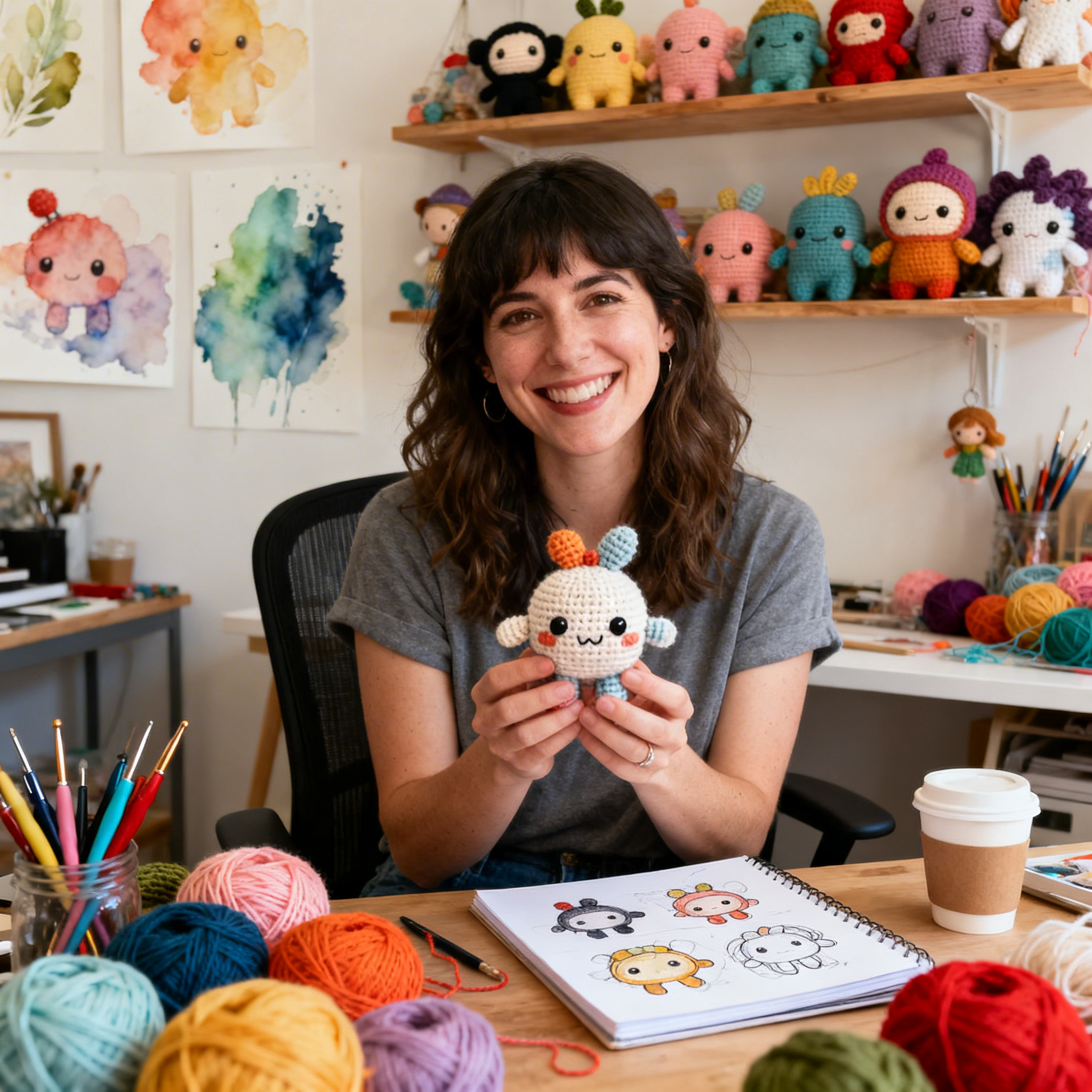
Clara Fern — Crochet Artist & Amigurumi Designer
Clara Fern is a crochet artist and amigurumi designer based in Austin, Texas. With 9 years of experience working with yarn and hook, she transformed a lifelong passion for handcraft into a creative mission: making amigurumi accessible, fun, and deeply rewarding for crafters of all levels.
Clara discovered amigurumi during a trip to Japan in 2017, where she fell in love with the art of bringing tiny characters to life through crochet. Back home in Texas, she spent years studying color theory, design principles, and advanced crochet techniques — developing her own signature style that blends kawaii aesthetics with original character design.
Through maclafersa.com, Clara shares everything she has learned — from choosing the right yarn and reading your first pattern, to designing fully original amigurumi characters from scratch. Her writing is known for being clear, detailed, and genuinely helpful, with no steps skipped and no secrets kept.
When she’s not crocheting, Clara enjoys watercolor painting, visiting local yarn shops, and drinking way too much coffee while sketching new character ideas.