Designing Collectible Amigurumi Series That Sell
Introduction
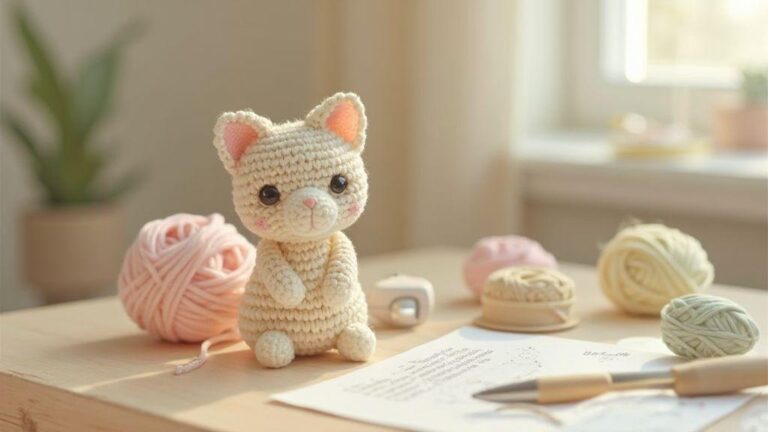
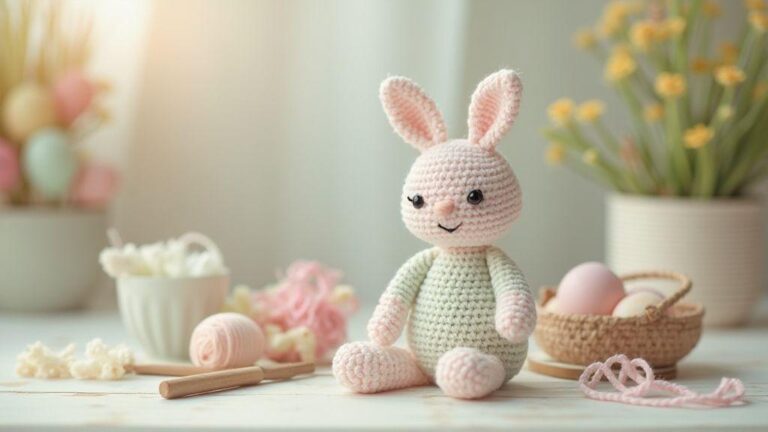
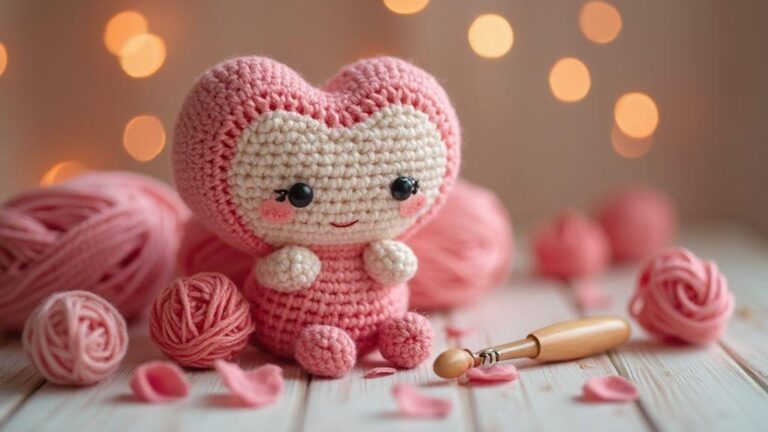
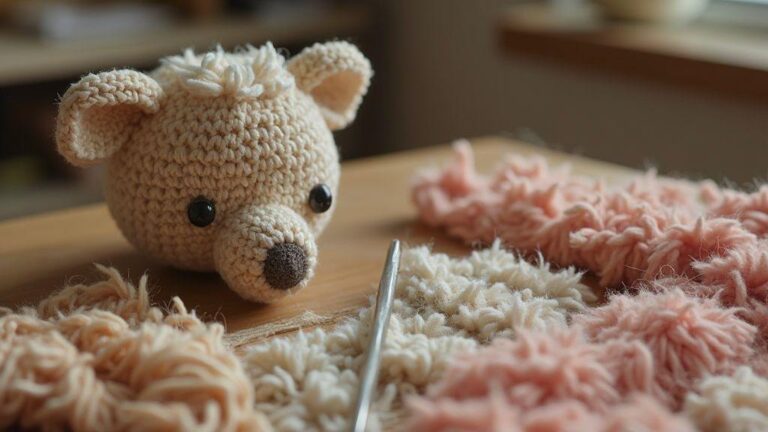
Collectible amigurumi series have become a significant market segment, with collectors purchasing multiple pieces to complete sets, create themed collections, or build comprehensive character universes. The most successful collectible series combine distinctive character design, strategic release planning, and community engagement to create sustained demand and customer loyalty. This article explores the principles of designing collectible amigurumi series, examining successful examples and providing a framework for creating series that generate sales and build dedicated collector communities.
Understanding Collectible Psychology
Collectible products tap into fundamental human psychology. Collectors are motivated by the desire to complete sets, the social status associated with rare or complete collections, the emotional connection to characters, and the investment potential of limited-edition items. Understanding these motivations informs the design of successful collectible series.
Completion Drive: Collectors are motivated by the desire to complete sets. A series of 12 characters creates stronger completion drive than a series of 3 characters. The larger the series, the more motivation collectors have to purchase multiple pieces.
Rarity and Exclusivity: Limited-edition releases and rare variants create urgency and increase perceived value. Collectors are willing to pay premium prices for rare pieces or limited-edition variants.
Emotional Connection: Collectors develop emotional attachments to characters. The stronger the emotional connection, the more likely collectors are to purchase multiple pieces and invest in the series long-term.
Social Status: Collectors enjoy displaying and sharing their collections. A complete collection or rare piece provides social status within collector communities.
Designing a Collectible Series Framework
A successful collectible series requires a clear framework that guides design decisions and creates cohesion across the series.
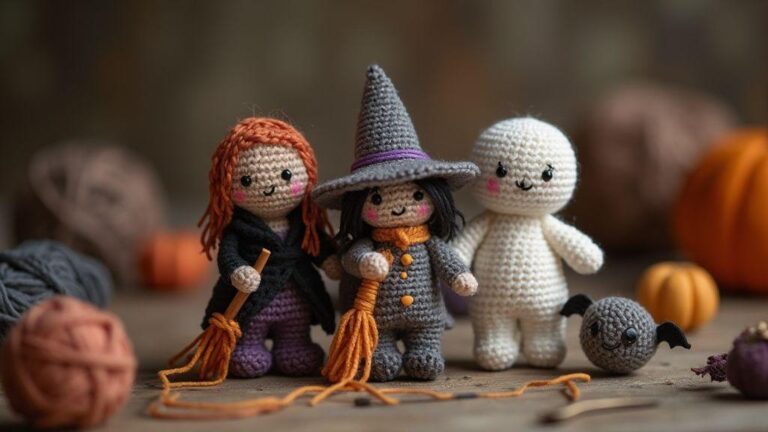
Series Theme: Establish a clear theme that unifies the series. This might be a specific universe (a fantasy world with different character types), a specific category (animals, food items, professions), or a specific concept (emotions, seasons, elements). A clear theme creates cohesion and makes the series feel intentional rather than random.
Character Count: Determine the number of characters in the series. A series of 6-12 characters creates strong completion drive without becoming overwhelming. Larger series (15+ characters) appeal to dedicated collectors but may overwhelm casual buyers.
Release Strategy: Plan the release strategy for the series. Will all characters be released simultaneously, or will they be released in waves? Staggered releases create sustained interest and allow you to adjust subsequent releases based on market response.
Variant Strategy: Plan variant versions of characters. Limited-edition color variants, special edition characters, or exclusive variants create additional purchase incentives and increase perceived value.
Creating Distinctive Characters Within a Series
Characters within a collectible series must be distinctive enough to feel like individual characters while maintaining visual cohesion that makes them feel like they belong to the same series.
Visual Cohesion: Establish visual elements that unify the series. This might be a consistent color palette, consistent proportions, consistent detail level, or consistent design language. These unifying elements make characters feel like they belong together.
Individual Distinctiveness: Each character must be distinctive enough to be instantly recognizable. Distinctive features might include unique color combinations, unique body shapes, unique accessories, or unique personality traits. The most successful series balance visual cohesion with individual distinctiveness.
Complementary Design: Design characters that complement each other visually. A series of characters in different pastel colors creates visual interest when displayed together. A series of characters with different body shapes creates visual variety. Complementary design encourages collectors to display multiple pieces together.
Narrative Relationships: Develop narrative relationships between characters. Characters might be friends, family members, or members of the same community. Narrative relationships create emotional investment and encourage collectors to purchase multiple pieces to complete the story.
Strategic Release Planning
The timing and strategy of character releases significantly impact series success.
Wave Release Strategy: Release characters in waves rather than all at once. A first wave of 3-4 characters establishes the series and allows you to gauge market response. Subsequent waves can be adjusted based on feedback and sales data.
Seasonal Releases: Align releases with seasons or holidays. A summer-themed character released in summer, a holiday-themed character released before holidays, or a seasonal color variant released in the appropriate season creates timely marketing opportunities.
Scarcity Strategy: Create scarcity through limited production runs or limited-time availability. Scarcity creates urgency and increases perceived value. However, scarcity must be genuine—false scarcity damages trust and collector loyalty.
Variant Releases: Release limited-edition variants alongside standard releases. A standard version available year-round and a limited-edition variant available for a limited time creates multiple purchase incentives.
Building Community Around Your Series
The most successful collectible series build dedicated communities of collectors who engage with each other and with the designer.
Social Media Engagement: Create social media content that celebrates collectors and their collections. Share user-generated content featuring the series, create hashtags for collectors to use, and engage with collector posts. This creates community and encourages continued engagement.
Collector Events: Host collector events—online or in-person—where collectors can meet, share their collections, and connect with each other. These events create community and generate marketing content.
Exclusive Content: Create exclusive content for collectors—behind-the-scenes design process videos, character backstories, or exclusive character designs available only to community members. Exclusive content rewards collector loyalty and creates incentive for continued engagement.
Feedback Integration: Actively seek collector feedback and integrate it into future designs. Collectors appreciate feeling heard and having influence over the series direction. This creates investment in the series success.
Pricing Strategy for Collectible Series
Pricing strategy significantly impacts series success and collector perception.
Consistent Pricing: Maintain consistent pricing across the series. Collectors expect similar characters to have similar prices. Inconsistent pricing creates perception of unfairness and damages trust.
Value Perception: Price characters based on perceived value rather than production cost. A character with more detail or larger size might command a higher price. Collectors accept higher prices for characters they perceive as more valuable.
Variant Pricing: Price limited-edition variants higher than standard versions. Collectors expect to pay premium prices for rare or exclusive variants.
Bundle Pricing: Offer bundle pricing for multiple characters. A discount for purchasing multiple characters encourages larger purchases and increases average order value.
Case Studies: Successful Collectible Series
Examining successful collectible series reveals effective design and marketing strategies.
Case Study 1: The Emotion Series: A designer created a series of 8 characters representing different emotions—happy, sad, angry, surprised, etc. Each character featured a distinctive color and expression. The series succeeded because collectors could relate to the emotions and wanted to collect the full range. The designer released limited-edition variants in different colors, creating additional purchase incentives.
Case Study 2: The Seasonal Series: A designer created a series of 4 characters representing different seasons. Each character featured seasonal colors and seasonal accessories. The series succeeded because collectors wanted to display all four seasons together, and the seasonal theme created natural release timing. The designer released limited-edition holiday variants, creating additional purchase opportunities.
Case Study 3: The Fantasy World Series: A designer created a series of 12 characters inhabiting a fantasy world—different species, professions, and personalities. The series succeeded because collectors wanted to build the complete world and develop emotional attachments to individual characters. The designer created narrative content showing character interactions, deepening collector investment.
Conclusion
Designing collectible amigurumi series that sell requires understanding collector psychology, creating distinctive characters within a cohesive framework, planning strategic releases, building community, and implementing effective pricing strategies. The most successful series combine compelling character design with intentional marketing and community engagement, creating sustained demand and building dedicated collector communities. By following the principles outlined in this article, designers can create collectible series that generate sales, build brand loyalty, and establish themselves as leaders in the amigurumi market.
Clara Fern — Crochet Artist & Amigurumi Designer
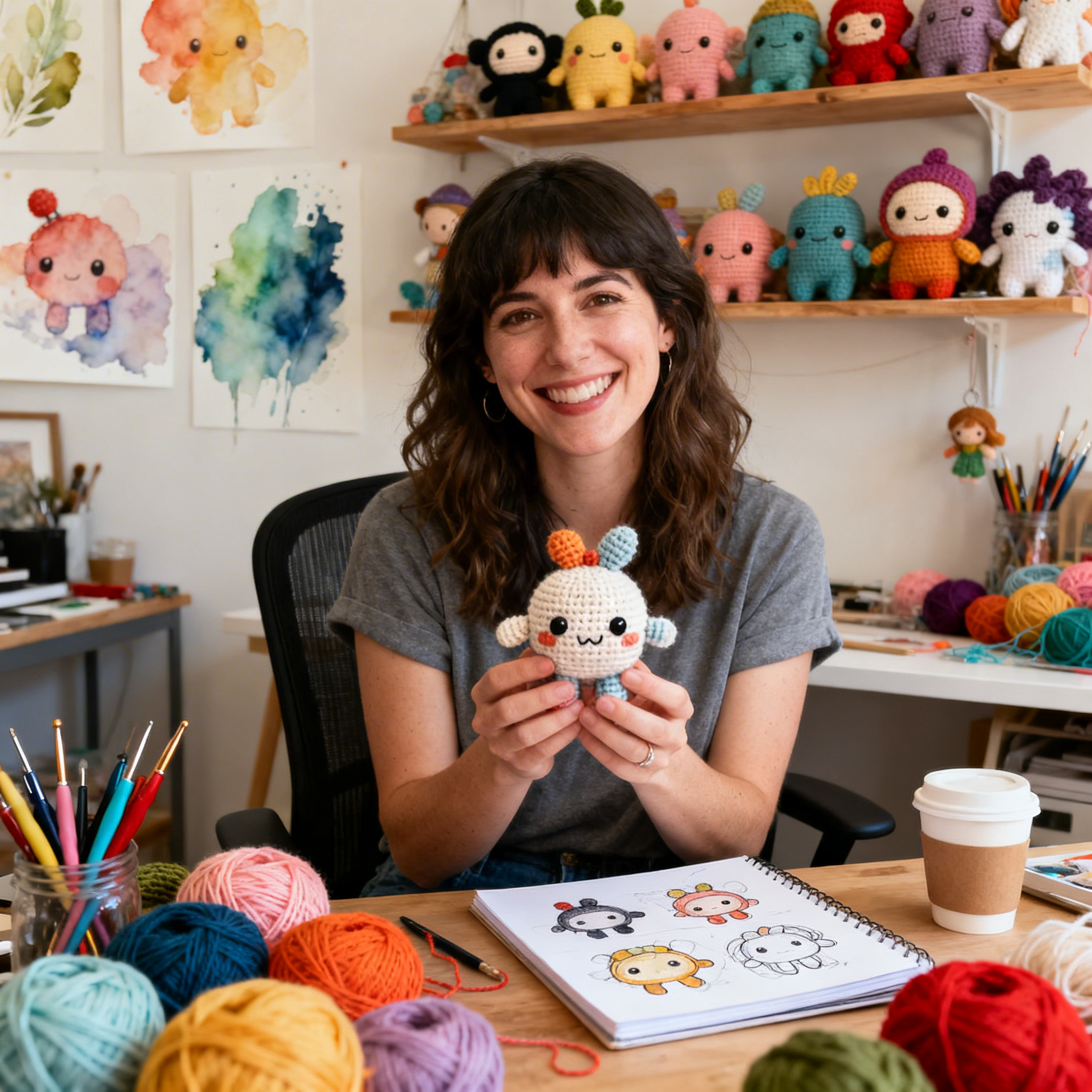
Clara Fern is a crochet artist and amigurumi designer based in Austin, Texas. With 9 years of experience working with yarn and hook, she transformed a lifelong passion for handcraft into a creative mission: making amigurumi accessible, fun, and deeply rewarding for crafters of all levels.
Clara discovered amigurumi during a trip to Japan in 2017, where she fell in love with the art of bringing tiny characters to life through crochet. Back home in Texas, she spent years studying color theory, design principles, and advanced crochet techniques — developing her own signature style that blends kawaii aesthetics with original character design.
Through maclafersa.com, Clara shares everything she has learned — from choosing the right yarn and reading your first pattern, to designing fully original amigurumi characters from scratch. Her writing is known for being clear, detailed, and genuinely helpful, with no steps skipped and no secrets kept.
When she’s not crocheting, Clara enjoys watercolor painting, visiting local yarn shops, and drinking way too much coffee while sketching new character ideas.