How to Develop a Signature Amigurumi Design Style
Introduction
The most successful amigurumi designers develop a distinctive design style that makes their work instantly recognizable. This signature style becomes a brand asset, differentiating their work in a crowded market and creating loyal customer bases. Developing a signature style requires intentional design decisions, consistent practice, and willingness to evolve while maintaining core aesthetic principles. This article explores the process of developing a distinctive amigurumi design style, examining successful designers and providing a framework for discovering and refining your unique creative voice.
Understanding Design Style
Design style is the consistent application of aesthetic principles across multiple works. It’s the visual language that makes a designer’s work instantly recognizable—the color choices, proportions, detail level, and overall aesthetic that characterize their creations. A strong design style communicates the designer’s values, influences, and creative vision.
Developing a signature style requires understanding the difference between style and trend. Trends are temporary aesthetic preferences that come and go. Style is a consistent, personal aesthetic that evolves over time but maintains core recognizable elements. The most successful designers develop styles that are distinctive enough to be recognizable but flexible enough to evolve and remain relevant.
Discovering Your Design Influences
Your signature style emerges from your influences, experiences, and creative preferences. Understanding these influences is the first step in developing a distinctive style.
Aesthetic Influences: Identify the aesthetics that appeal to you. Do you prefer minimalist design or maximalist detail? Pastel colors or bold saturated colors? Realistic proportions or exaggerated, stylized proportions? Soft, rounded shapes or geometric, angular forms? Your aesthetic preferences form the foundation of your design style.
Cultural and Artistic Influences: Consider cultural and artistic influences that shape your creative vision. Are you influenced by Japanese kawaii culture? Vintage design? Contemporary art? Nature and organic forms? These influences inform the visual language of your work.
Personal Values: Your design style should reflect your personal values. If sustainability is important to you, your style might emphasize eco-friendly materials and nature-inspired designs. If inclusivity is important, your style might feature diverse character representations.
Technical Preferences: Your technical skills and preferences influence your style. If you excel at detailed embroidery, your style might emphasize intricate facial features. If you prefer simple construction, your style might emphasize clean lines and minimal details.
Establishing Core Design Elements
A signature style is built on core design elements that appear consistently across your work. These elements create visual cohesion and make your work instantly recognizable.
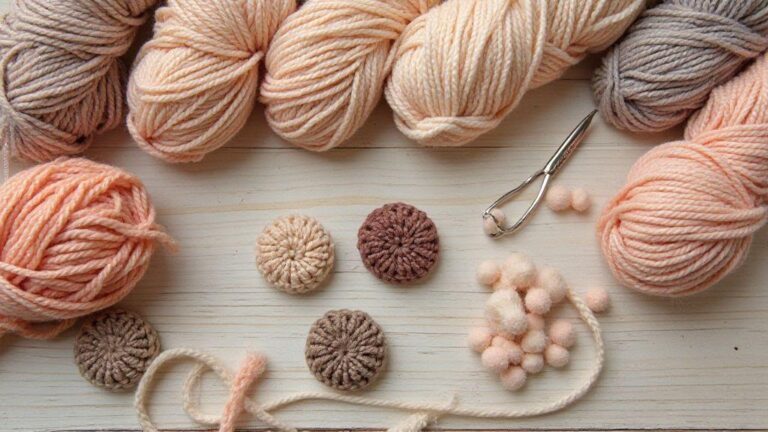
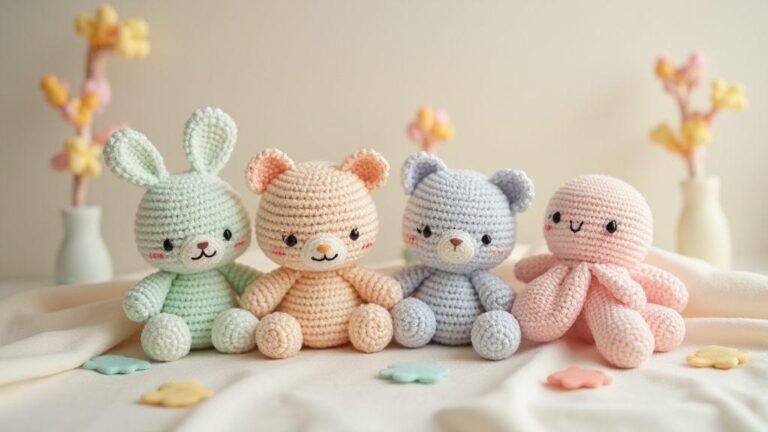
Color Palette: Develop a signature color palette that appears consistently across your work. This doesn’t mean using the same colors in every piece, but rather selecting colors from a consistent family or using colors in a consistent way. You might develop a signature palette of pastels, or a signature approach to color blocking, or a signature use of metallic accents.
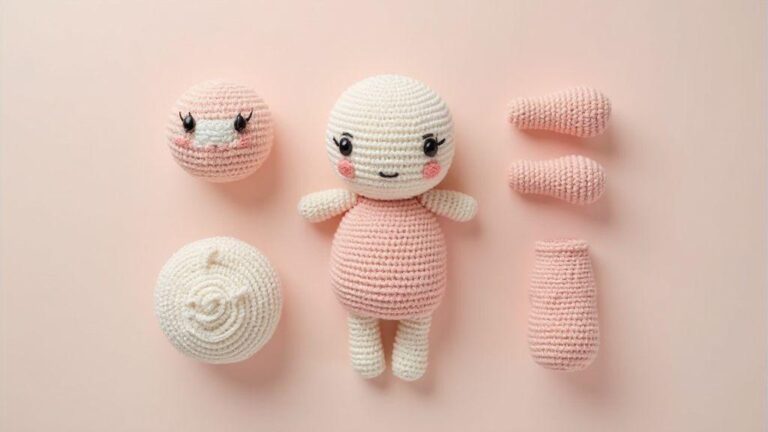
Proportion System: Develop a signature approach to proportions. Do your characters consistently feature oversized heads? Stubby limbs? Exaggerated features? Establishing consistent proportions creates visual cohesion across your work.
Detail Level: Establish a signature approach to detail. Do you emphasize intricate embroidered features? Minimal, simple features? Textured stitching? Consistent detail level creates a recognizable aesthetic.
Material Choices: Develop signature material choices. Do you prefer specific yarn types? Do you use specialty materials like metallic yarn or textured yarn? Do you incorporate non-yarn materials like beads or embroidery floss? Consistent material choices contribute to a recognizable style.
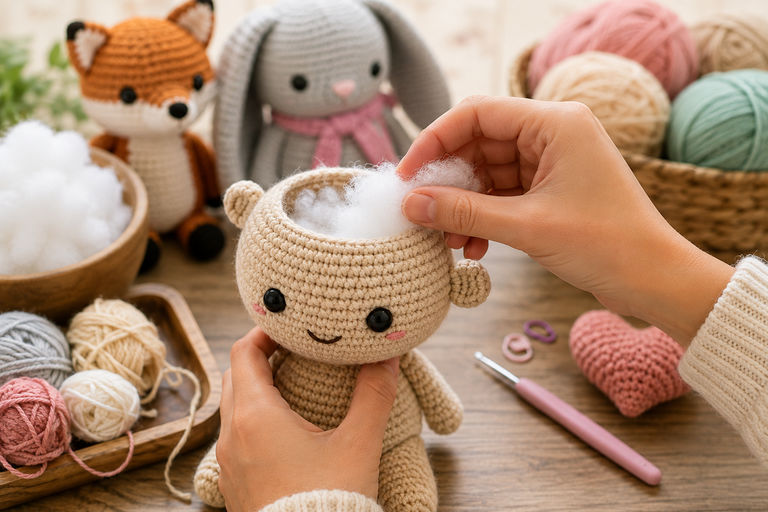
Finishing Techniques: Develop signature finishing techniques. Do you emphasize invisible seaming? Visible seams as a design element? Specific blocking or shaping techniques? Consistent finishing approaches contribute to a recognizable aesthetic.
Developing Signature Character Types
Many successful designers develop signature character types that become synonymous with their work.
Character Archetypes: Identify character archetypes that appeal to you and that you excel at creating. You might specialize in animals, fantasy creatures, food characters, or abstract shapes. Developing expertise in specific character types creates a recognizable body of work.
Personality Traits: Develop signature personality traits that characterize your characters. Do your characters consistently express specific emotions? Do they have distinctive mannerisms or poses? Consistent personality traits make characters feel like they belong to a cohesive universe.
Narrative Elements: Develop narrative elements that characterize your work. Do your characters have backstories? Do they interact with each other? Do they exist in a specific world or universe? Narrative elements create deeper engagement and make your work more memorable.
Refining Your Style Through Iteration
A signature style develops through consistent practice and intentional refinement. The most successful designers continuously iterate on their work, refining their style while maintaining core recognizable elements.
Create Series: Create series of related works that explore variations on a theme. A series of animal characters, a series of seasonal variations, or a series exploring different emotions allows you to refine your approach while maintaining thematic cohesion.
Seek Feedback: Share your work with trusted peers and audiences, seeking feedback on what feels distinctive and recognizable about your style. External perspectives help identify the elements that make your work unique.
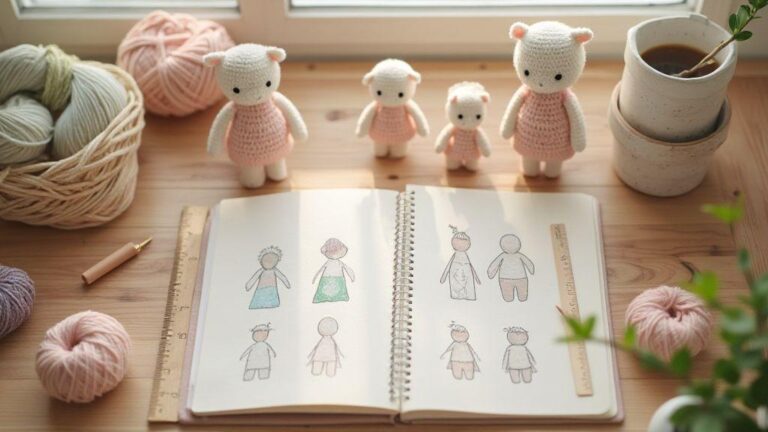
Document Your Process: Document your creative process through photos, videos, and written reflections. This documentation helps you understand your own design decisions and identify patterns in your work.
Analyze Your Work: Regularly analyze your completed works, identifying common elements and patterns. What colors appear most frequently? What proportions do you consistently use? What details characterize your work? This analysis reveals your emerging style.
Evolving Your Style While Maintaining Recognition
As you develop your signature style, you’ll want to evolve and grow while maintaining the recognizable elements that make your work distinctive.
Core vs. Flexible Elements: Identify which elements of your style are core—essential to your recognizable aesthetic—and which are flexible—elements that can evolve without losing recognition. Your core elements might be your color palette and proportion system, while flexible elements might be specific character types or detail approaches.
Intentional Evolution: Allow your style to evolve intentionally based on your growing skills, changing interests, and market feedback. Evolution keeps your work fresh and prevents stagnation, but intentional evolution maintains the core elements that make your work recognizable.
Experimentation: Dedicate time to experimentation and exploration. Try new techniques, materials, and character types. Some experiments will become part of your evolved style, while others will inform your understanding of what makes your core style distinctive.
Building a Portfolio That Showcases Your Style
A strong portfolio is essential for communicating your signature style to potential customers and collaborators.
Curate Intentionally: Curate your portfolio to showcase your signature style. Include pieces that best represent your aesthetic and demonstrate your range within your style. Avoid including pieces that don’t align with your signature style, as they dilute the clarity of your visual identity.
Show Consistency: Organize your portfolio to emphasize the consistency of your style. Group related works together to show how your style manifests across different character types or themes.
Tell Your Story: Use your portfolio to tell the story of your design style. Include artist statements that explain your influences, values, and creative vision. Help viewers understand what makes your work distinctive.
Conclusion
Developing a signature amigurumi design style requires intentional design decisions, consistent practice, and willingness to evolve while maintaining core aesthetic principles. By understanding your influences, establishing core design elements, developing signature character types, and refining your style through iteration, you can create a distinctive visual identity that makes your work instantly recognizable. The most successful designers view style development as an ongoing process of discovery and refinement, continuously evolving their work while maintaining the core elements that make it uniquely theirs.

Clara Fern — Crochet Artist & Amigurumi Designer
Clara Fern is a crochet artist and amigurumi designer based in Austin, Texas. With 9 years of experience working with yarn and hook, she transformed a lifelong passion for handcraft into a creative mission: making amigurumi accessible, fun, and deeply rewarding for crafters of all levels.
Clara discovered amigurumi during a trip to Japan in 2017, where she fell in love with the art of bringing tiny characters to life through crochet. Back home in Texas, she spent years studying color theory, design principles, and advanced crochet techniques — developing her own signature style that blends kawaii aesthetics with original character design.
Through maclafersa.com, Clara shares everything she has learned — from choosing the right yarn and reading your first pattern, to designing fully original amigurumi characters from scratch. Her writing is known for being clear, detailed, and genuinely helpful, with no steps skipped and no secrets kept.
When she’s not crocheting, Clara enjoys watercolor painting, visiting local yarn shops, and drinking way too much coffee while sketching new character ideas.