How to Design Viral Kawaii Amigurumi Characters
Introduction
Kawaii culture—the Japanese aesthetic celebrating cuteness and charm—has become a global phenomenon, and amigurumi sits at the heart of this movement. The most successful kawaii amigurumi characters share specific design principles that make them instantly appealing, shareable, and collectible. Understanding these principles allows designers to create characters that resonate emotionally with audiences and generate organic viral potential. This article explores the design elements that transform ordinary amigurumi into viral sensations, examining successful examples and providing actionable strategies for creating your own kawaii characters.
Understanding Kawaii Design Principles
Kawaii design is not random cuteness—it follows specific psychological and aesthetic principles that trigger emotional responses in viewers. The most fundamental principle is disproportionate features: kawaii characters typically have oversized eyes relative to head size, small mouths, and exaggerated proportions that trigger nurturing instincts. A character with eyes that occupy 30% of the face appears cuter than one with proportionally realistic eyes.
Soft, rounded shapes form the foundation of kawaii aesthetics. Sharp angles, pointed features, and geometric precision feel less cute than smooth curves, rounded edges, and organic forms. The most viral kawaii amigurumi feature predominantly circular or oval body shapes with minimal angular elements.
Expressive simplicity characterizes successful kawaii design. Rather than detailed, realistic features, kawaii characters use minimal elements—two dots for eyes, a simple curved line for a mouth—that leave room for viewer interpretation and emotional projection. This simplicity paradoxically creates more emotional connection than detailed realism.
Color psychology plays a critical role in kawaii appeal. Pastel colors—soft pinks, light blues, pale yellows—feel inherently cuter than saturated or dark colors. The most viral kawaii amigurumi use limited color palettes dominated by pastels, with strategic use of contrasting colors for emphasis.
The Anatomy of a Viral Kawaii Character
Successful viral kawaii amigurumi share specific anatomical characteristics that maximize cuteness and shareability.
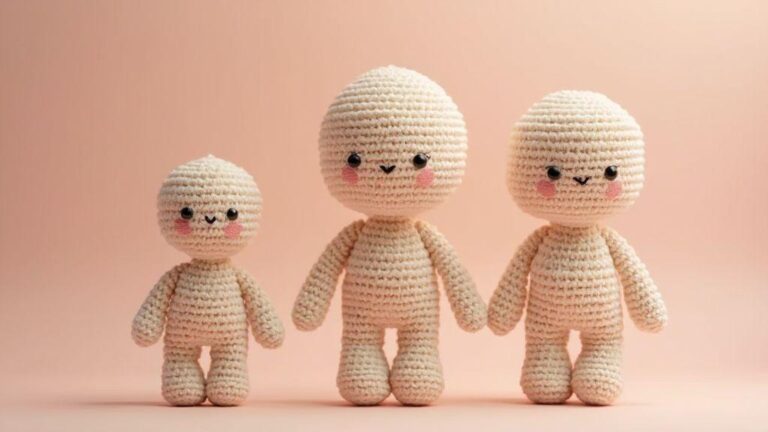
Oversized Head-to-Body Ratio: The most viral characters have heads that are disproportionately large relative to their bodies—often 40-50% of total height. This ratio triggers protective instincts and appears inherently vulnerable and endearing.
Large, Expressive Eyes: Eyes are the focal point of kawaii characters. The most successful designs feature eyes that occupy 20-30% of the face, positioned slightly above center, with a slight upward tilt that creates an expression of innocence or wonder. Eye shape matters—large circles or ovals feel cuter than almond-shaped or realistic eyes.
Minimal Mouth: Rather than detailed mouths, the most viral kawaii characters feature simple mouths—a small curved line, a tiny dot, or even no mouth at all. This minimalism allows viewers to project their own emotions onto the character.
Stubby Limbs: Short, thick limbs feel cuter than long, proportional ones. The most viral characters have limbs that are 20-30% of body length, creating a compact, huggable appearance.
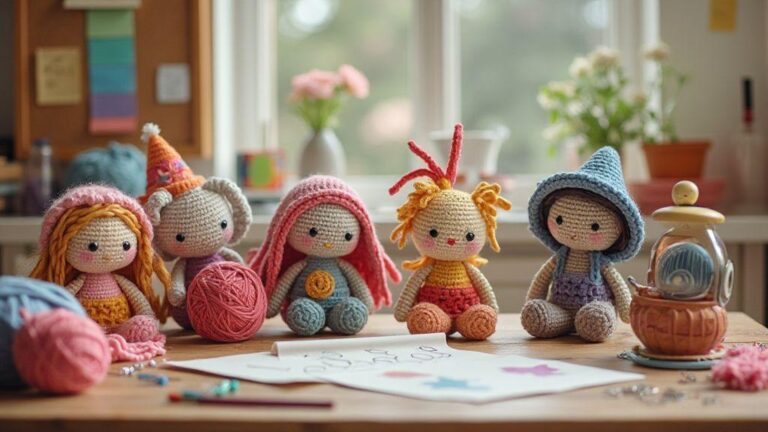
Signature Feature: Successful viral characters include one distinctive, memorable feature that makes them instantly recognizable. This might be a unique color pattern, a distinctive accessory, or an unusual body shape. The signature feature should be simple enough to recognize at thumbnail size but distinctive enough to stand out in a crowded market.
Color Strategy for Viral Appeal
Color choices dramatically affect a character’s viral potential. The most successful kawaii amigurumi use strategic color combinations that maximize visual appeal and shareability.
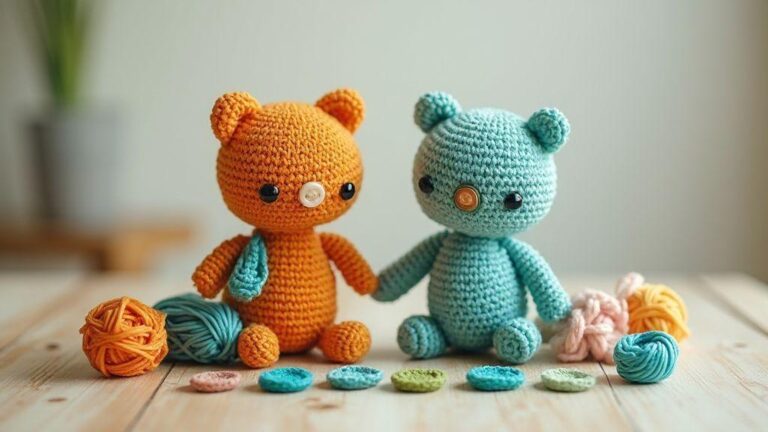
Pastel Dominance: The primary color should be a soft pastel—pale pink, light blue, soft yellow, or gentle green. These colors feel inherently cute and photograph well on social media.
Complementary Contrast: A secondary color provides visual interest and helps the character stand out. This color should contrast with the primary color but remain within the pastel or soft color family. A pale pink character with white accents, or a light blue character with pale yellow details, creates visual interest without appearing garish.
Accent Color Strategy: A small amount of a bolder color—used for eyes, mouth, or a distinctive feature—draws attention and creates visual hierarchy. This accent color should be used sparingly, occupying no more than 10% of the character’s surface area.
Monochromatic Variations: Creating the same character in multiple pastel colors dramatically increases viral potential. A character available in pink, blue, yellow, and green encourages collectors to purchase multiple versions and share their collections on social media.
Designing for Social Media Virality
Viral characters are designed with social media in mind. Understanding how characters appear in different contexts—thumbnail size, mobile screens, printed merchandise—informs design decisions.
Thumbnail Clarity: The character should be instantly recognizable at thumbnail size (approximately 100×100 pixels). This means the signature feature must be bold and clear, and the overall silhouette should be distinctive.
Photograph-Friendly Design: The character should photograph beautifully in natural light and on social media backgrounds. Avoid colors that blend with common backgrounds (white characters on white backgrounds, for example). Test the character against various backgrounds to ensure it stands out.
Merchandise Potential: Design with merchandise in mind. The character should work well on t-shirts, phone cases, plushies, and other products. Avoid overly complex details that don’t translate well to different mediums.
Emotional Resonance: The character should evoke a specific emotion or feeling. The most viral characters make people smile, feel protective, or experience a sense of joy. Design with emotional impact as a primary goal.
Case Studies: Analyzing Viral Kawaii Characters
Examining successful viral kawaii characters reveals common design patterns.
Character Type 1: The Innocent Creature: Characters like Pusheen (a chubby cat) succeed through oversized proportions, minimal features, and an expression of gentle contentment. These characters trigger protective instincts and appear vulnerable and endearing.
Character Type 2: The Quirky Hybrid: Characters that combine unexpected elements—a cat with octopus tentacles, a bear with butterfly wings—create novelty and conversation. These characters succeed through distinctive features that make them memorable and shareable.
Character Type 3: The Minimalist Icon: Characters reduced to their simplest form—a circle with two dots for eyes—succeed through extreme simplicity and versatility. These characters work across all mediums and allow for endless variations.
Designing Your Own Viral Kawaii Character
Creating a viral kawaii character requires intentional design decisions guided by the principles above.
Start with Emotion: Define the emotion or feeling your character should evoke. Should it feel innocent? Playful? Protective? Joyful? This emotional foundation guides all subsequent design decisions.
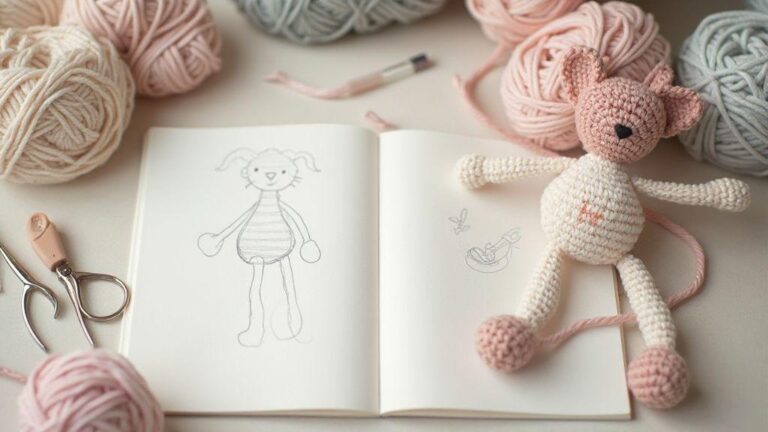
Sketch Proportions: Create multiple sketches exploring different head-to-body ratios, eye sizes, and limb proportions. Test which proportions feel most appealing and cute.
Develop the Signature Feature: Identify one distinctive feature that makes your character memorable. This might be a unique color pattern, an unusual body shape, or a distinctive accessory. Ensure this feature is simple enough to recognize at thumbnail size.
Test Color Combinations: Create multiple color variations and test them against various backgrounds. Photograph prototypes in natural light and on social media to see how they appear in real-world contexts.
Iterate Based on Feedback: Share early designs with potential audiences and gather feedback. The most successful viral characters evolve based on audience response.
Conclusion
Designing viral kawaii amigurumi characters requires understanding the psychological principles that trigger cuteness responses and the practical considerations of social media virality. By applying the design principles outlined in this article—disproportionate features, soft shapes, expressive simplicity, and strategic color choices—you can create characters with genuine viral potential. The most successful designers combine these principles with authentic creativity and emotional resonance, resulting in characters that resonate deeply with audiences and generate organic sharing and engagement.
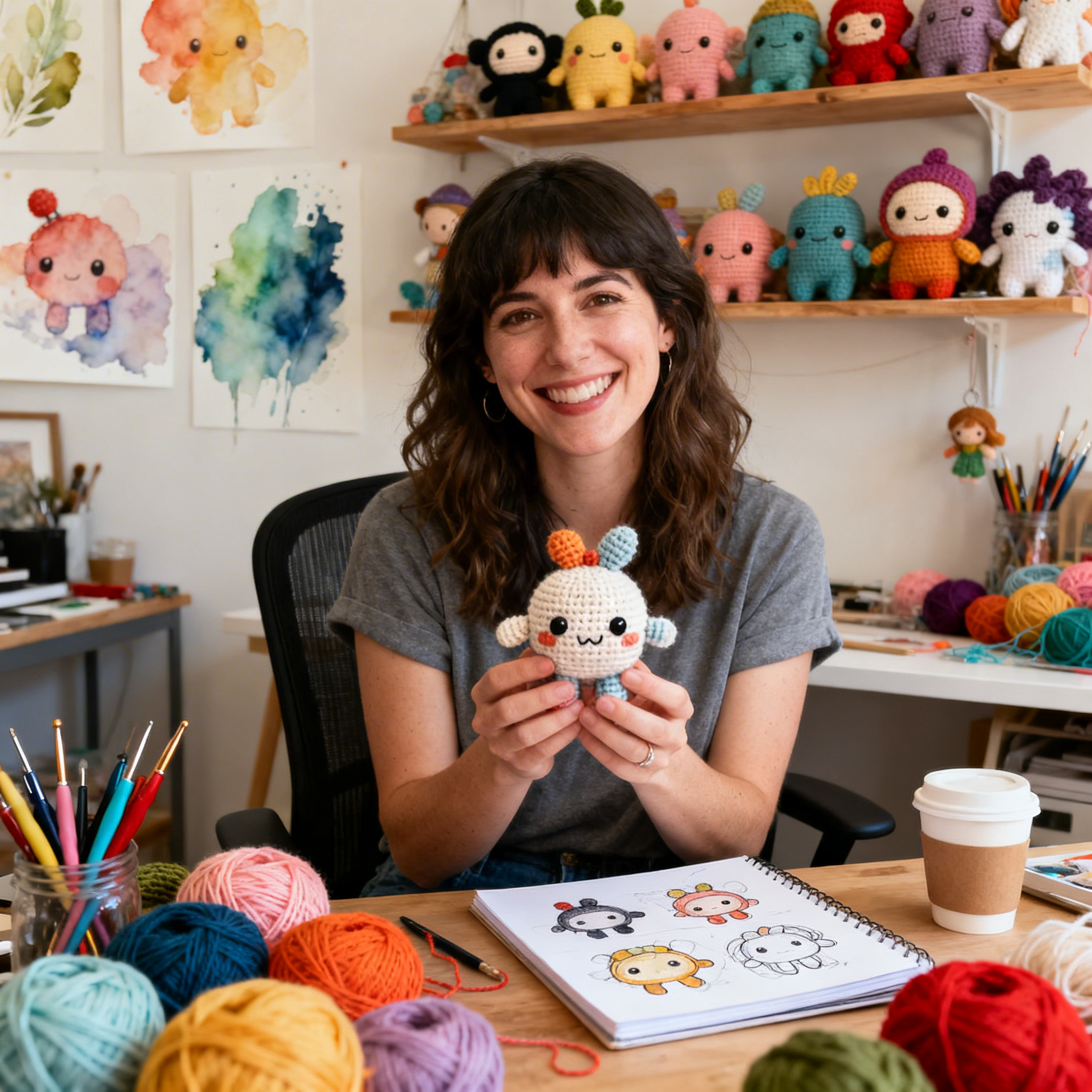
Clara Fern — Crochet Artist & Amigurumi Designer
Clara Fern is a crochet artist and amigurumi designer based in Austin, Texas. With 9 years of experience working with yarn and hook, she transformed a lifelong passion for handcraft into a creative mission: making amigurumi accessible, fun, and deeply rewarding for crafters of all levels.
Clara discovered amigurumi during a trip to Japan in 2017, where she fell in love with the art of bringing tiny characters to life through crochet. Back home in Texas, she spent years studying color theory, design principles, and advanced crochet techniques — developing her own signature style that blends kawaii aesthetics with original character design.
Through maclafersa.com, Clara shares everything she has learned — from choosing the right yarn and reading your first pattern, to designing fully original amigurumi characters from scratch. Her writing is known for being clear, detailed, and genuinely helpful, with no steps skipped and no secrets kept.
When she’s not crocheting, Clara enjoys watercolor painting, visiting local yarn shops, and drinking way too much coffee while sketching new character ideas.