How Different Hook Brands Affect Your Crochet Experience
Introduction
The humble crochet hook often receives less attention than the yarn in amigurumi crafting, yet its influence on the final result is profound. Hook shape, material, weight, and ergonomics directly affect stitch consistency, hand fatigue, working speed, and the overall enjoyment of the crochet process. Professional amigurumi makers frequently own multiple hook sets, selecting different tools for different yarns, projects, and even moods. Understanding how hook brands differentiate themselves through design philosophy, materials science, and ergonomic innovation empowers crafters to invest wisely in tools that elevate their work and protect their hands from repetitive strain injury.
The Anatomy of a Crochet Hook
Before comparing brands, it helps to understand the components that differentiate hooks from one another. Throat Depth varies between brands, with deeper throats suiting yarns that require more clearance for complex stitches, while shallower throats provide more control for tight tension work. Head Shape ranges from rounded to tapered, affecting how easily the hook enters stitches and catches yarn. Thumb Rest Design determines how the hook sits against the middle finger during the crochet motion, with ergonomic hooks featuring contoured handles that distribute pressure across a wider surface area. Material influences glide, warmth transmission, and durability, with choices including aluminum, wood, plastic, and steel.
Major Hook Brands and Their Characteristics
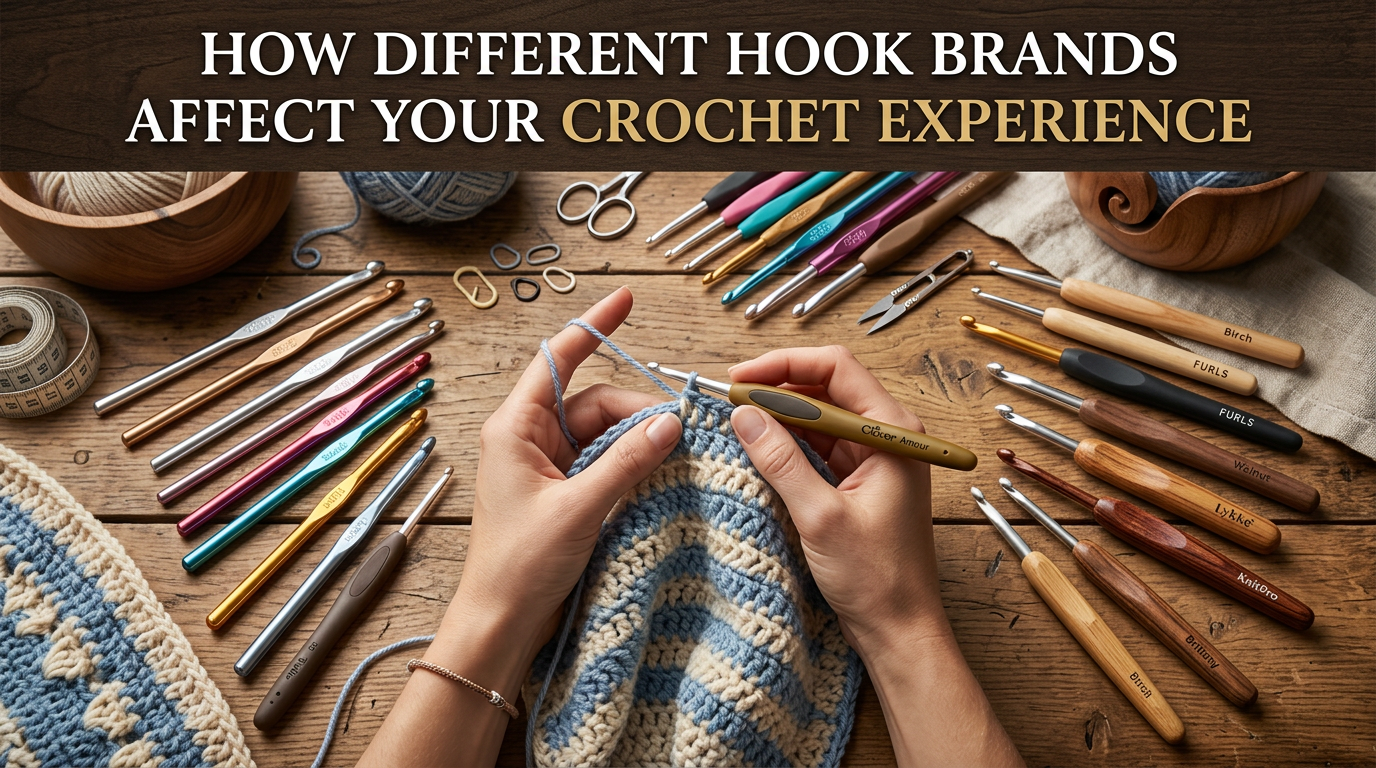
Clover hooks, particularly the Amour and Soft Touch lines, are widely regarded as the gold standard for amigurumi crocheters. The Amour series features an aluminum hook shaft with a soft elastomer handle that conforms to the hand’s natural grip. The rounded head glides smoothly through stitches without splitting yarn, and the handle reduces grip pressure by 40% compared to bare metal hooks. The ergonomic design minimizes the claw-like hand position that causes fatigue during extended crochet sessions. Clover hooks carry a premium price but durability and comfort justify the investment for makers who crochet regularly.
Addi produces hooks machined from solid aluminum or rosewood, known for exceptional smoothness and weight balance. The Addi Swing line features a distinctive offset handle that allows the hook to rest naturally in the hand while reducing wrist rotation. The precision-machined throat and head produce perfectly uniform stitches with minimal effort. Addi hooks appeal to crafters who prioritize consistency above all else and who appreciate the solid, substantial feel of a well-engineered tool.
Boye offers accessible, affordable hooks that serve beginners well while maintaining quality sufficient for experienced crafters. The ergonomic Boye lines feature cushioned handles in a range of sizes, providing a good introduction to ergonomic crochet without the investment required for premium brands. The classic Boye aluminum hooks have a tapered head that some crocheters prefer for quick work, though the narrower throat can cause splitting with certain yarns.
KnitPro (also branded as Knitter’s Pride) offers interchangeable hook sets that provide excellent value for crafters who work across multiple sizes. The Symfonie line features wooden handles with a satin finish that warms with handling, while the Zing line offers lightweight aluminum with a comfortable grip. The interchangeable system allows for experimentation with different handle styles and lengths while maintaining consistent hook performance.
Pony hooks, manufactured in the UK, offer precision-ground aluminum hooks with a distinctive long tapered throat. The smooth finish and sharp head make Pony hooks excellent for complex stitch patterns where precise insertion matters. The straight, unadorned shaft design appeals to traditionalists who prefer minimal distraction between hand and work.
Hook Materials and Their Properties
Aluminum hooks provide the most consistent glide across all yarn types. The metal remains cool during use, preventing the hand warming that can cause sweaty palms with plastic handles. Aluminum transitions smoothly from stitch to stitch without catching or dragging, making it the preferred material for speed crocheters. The primary drawback is hand fatigue with extended use, as bare aluminum offers no cushioning.
Bamboo and Wood hooks warm to the hand naturally and provide a slightly grippy surface that prevents yarn from sliding uncontrollably. The organic texture suits natural fibers well and appeals to crafters who prefer sustainable materials. Wooden hooks are quieter than metal and feel more pleasant for many users. However, wood can develop splinters or rough patches with use, and the surface may catch on split yarns more readily than polished metal.
Acrylic and Plastic hooks offer lightweight comfort and come in bright colors that help with size identification. Modern plastic hooks from brands like Clover Soft Touch rival the smoothness of metal while providing ergonomic benefits. The material’s flexibility absorbs some of the impact of the crochet motion, reducing stress on hand joints. Plastic hooks may develop a squeaky sound with certain yarns and can warp if exposed to heat.
Steel hooks are reserved for thread crochet and micro-amigurumi using fine weight 10, 20, or 30 threads. These hooks are precision-ground to exacting specifications and provide the control needed for intricate stitch work at tiny scales. Steel hooks require careful handling as their small size makes them easy to lose and their pointed tips can cause injury if left exposed.
Ergonomics and Comfort
The most significant advance in hook design over the past decade is the widespread adoption of ergonomic handles. Repetitive strain injuries, including carpal tunnel syndrome and tendonitis, affect a substantial percentage of dedicated crocheters. Ergonomic hooks with oversized, contoured, or offset handles reduce the grip force required to hold the hook and position the hand in a more neutral, less stressful orientation. Clover Amour, Addi Swing, and Furls Odyssey hooks represent different approaches to ergonomic design, each with passionate advocates. Trying multiple options is highly recommended, as hand anatomy varies considerably between individuals.
Impact on Amigurumi Quality
Hook choice directly affects the three most important quality metrics in amigurumi: stitch uniformity, tension consistency, and fabric density. A hook that glides smoothly produces even stitches that create a professional appearance. A comfortable hook that reduces fatigue helps maintain consistent tension through long work sessions, avoiding the looser stitches that often appear when hands tire. The correct hook size, precisely manufactured, creates fabric tight enough to prevent stuffing from showing through while remaining flexible enough to allow shaping. Investing in quality hooks eliminates the variable of tool performance, allowing the crafter to focus on technique and design.
Recommendations by Project Type
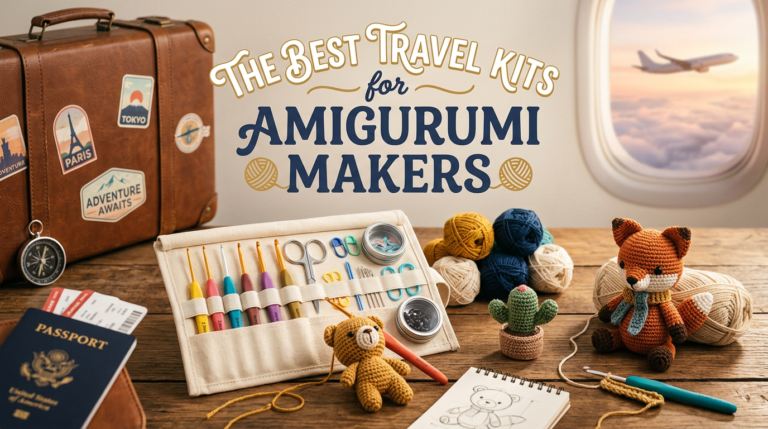
For detailed amigurumi with complex color changes, choose Clover Amour hooks for their precise head shape and smooth glide that minimizes yarn splitting. For large amigurumi projects requiring extended work sessions, invest in ergonomic handles from Addi or Furls to reduce hand strain. For micro-amigurumi with thread, precision steel hooks from Pony or Clover provide the control necessary for tiny stitches. For beginner crafters, Boye ergonomic hooks offer a cost-effective introduction to comfortable crochet. For travel and on-the-go projects, compact interchangeable sets from KnitPro provide flexibility without taking up significant bag space.
Conclusion
The crochet hook is the amigurumi maker’s primary tool, and choosing the right one transforms the crafting experience. Brand differences in head shape, handle design, material, and ergonomics affect stitch quality, comfort, and endurance in meaningful ways. While premium hooks require a significant initial investment, the improvement in work quality and reduction in physical strain make them worthwhile for dedicated practitioners. The best approach is to build a collection over time, adding hooks from different brands and materials to suit different projects and personal preferences. A well-chosen hook set becomes a trusted companion that enhances every amigurumi created.
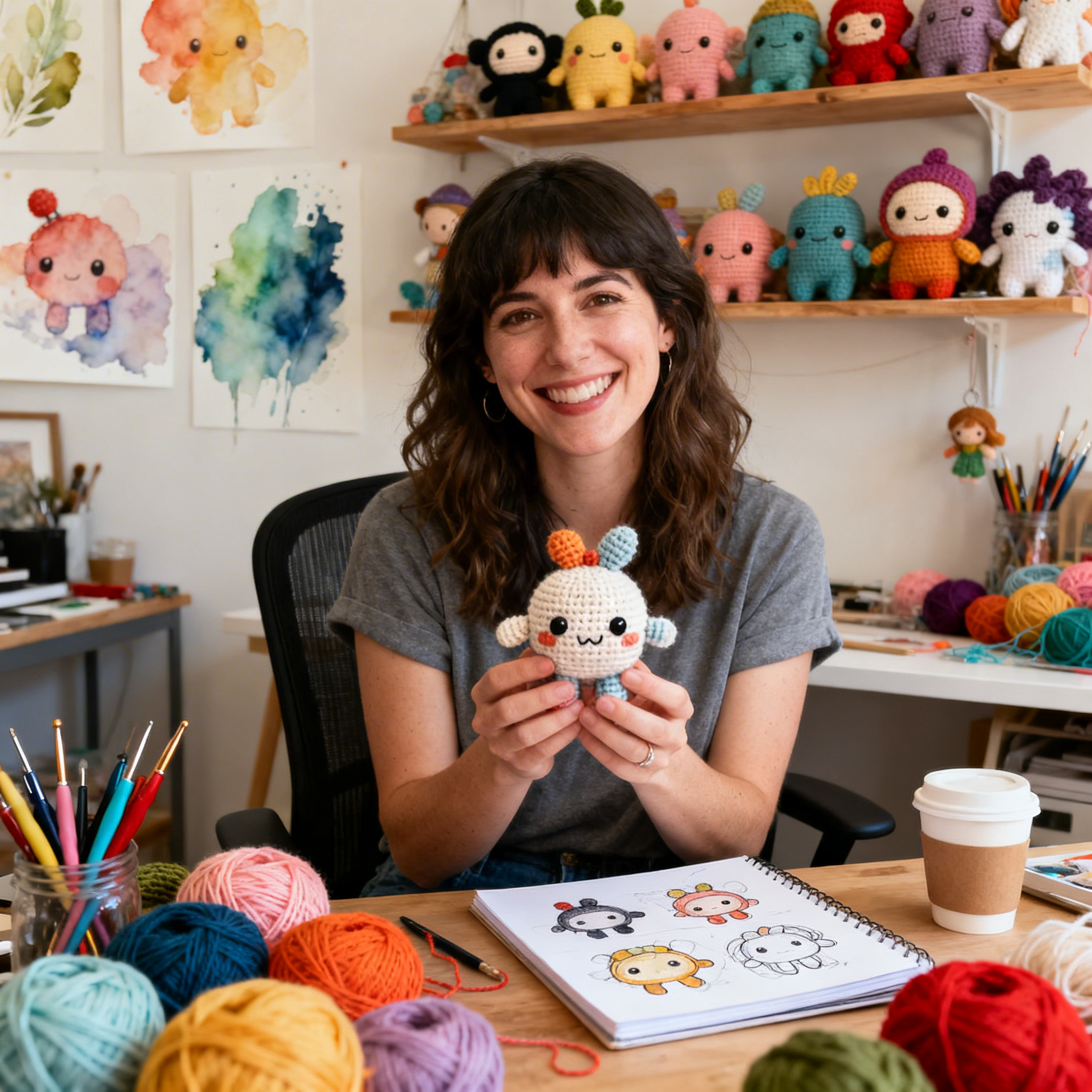
Clara Fern — Crochet Artist & Amigurumi Designer
Clara Fern is a crochet artist and amigurumi designer based in Austin, Texas. With 9 years of experience working with yarn and hook, she transformed a lifelong passion for handcraft into a creative mission: making amigurumi accessible, fun, and deeply rewarding for crafters of all levels.
Clara discovered amigurumi during a trip to Japan in 2017, where she fell in love with the art of bringing tiny characters to life through crochet. Back home in Texas, she spent years studying color theory, design principles, and advanced crochet techniques — developing her own signature style that blends kawaii aesthetics with original character design.
Through maclafersa.com, Clara shares everything she has learned — from choosing the right yarn and reading your first pattern, to designing fully original amigurumi characters from scratch. Her writing is known for being clear, detailed, and genuinely helpful, with no steps skipped and no secrets kept.
When she’s not crocheting, Clara enjoys watercolor painting, visiting local yarn shops, and drinking way too much coffee while sketching new character ideas.