Natural Fibers vs Synthetic Fibers in Amigurumi Projects
Introduction
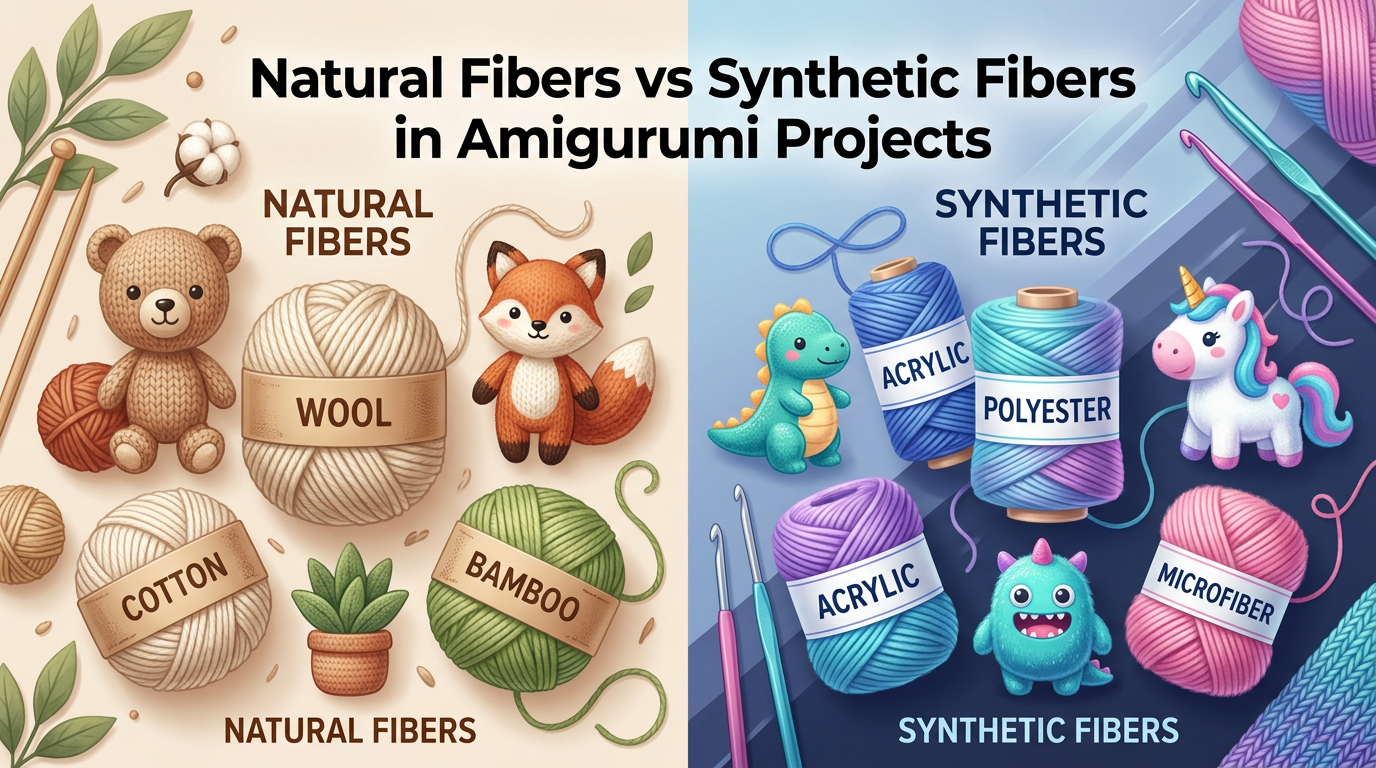
The choice between natural and synthetic fibers represents one of the most fundamental decisions an amigurumi maker faces. Each category offers distinct properties that affect stitch definition, durability, care requirements, cost, and environmental impact. Natural fibers such as cotton, wool, and bamboo connect crafters to millennia of textile tradition, while synthetic options including acrylic, polyester, and nylon offer affordability and consistent performance. Understanding the trade-offs between these categories allows makers to select the optimal material for each specific project, balancing aesthetic goals with practical constraints and ethical considerations.
Properties of Natural Fibers
Cotton, the most common natural fiber in amigurumi, provides excellent stitch definition due to its limited elasticity. The fiber holds its shape well after blocking, producing clean, distinct stitches that showcase complex patterning and color changes. Cotton breathes effectively, preventing moisture buildup inside stuffed toys, and becomes softer with each washing. However, cotton has minimal stretch recovery, making it less forgiving for tight tension crocheters and more prone to showing gaps between stitches when overstuffed.
Wool offers superior elasticity and memory, allowing amigurumi pieces to stretch during stuffing and then return to their intended shape. The natural crimp of wool fibers creates air pockets that provide lightweight insulation, giving wool amigurumi a softer, more giving feel than cotton counterparts. Wool also felts slightly with friction and washing, which can blend stitches together for a seamless appearance. The drawbacks include potential itchiness, sensitivity to lanolin, and the need for gentle washing to prevent felting.
Bamboo combines the breathability of plant fibers with a luxurious sheen and exceptional softness. The fiber’s smooth surface creates fabric with a fluid drape that works beautifully for amigurumi clothing and accessories. Bamboo’s moisture-wicking properties keep the finished toy feeling dry even in humid conditions. The primary limitations are poor elasticity, higher cost, and a slippery texture that challenges consistent tension.
Hemp and Linen produce the strongest natural fibers available, with tensile strength exceeding cotton by a significant margin. Amigurumi made from these fibers withstands years of vigorous play without developing holes or fraying. The fibers have a distinctive textured appearance that gives projects a rustic, artisanal character. The trade-off is stiffness that makes detailed shaping more difficult and requires patience during the break-in period.
Properties of Synthetic Fibers
Acrylic dominates the amigurumi world due to its affordability, color variety, and consistent performance. Acrylic yarns withstand repeated washing without shrinking, stretching, or felting, making them ideal for toys requiring regular cleaning. The fiber’s elasticity provides excellent stitch recovery and forgiving tension tolerance. Acrylic also resists moths, mildew, and rot, ensuring long-term durability. The environmental concerns include petroleum-based production, microplastic shedding during washing, and centuries-long decomposition timelines.
Polyester appears primarily in specialty yarns designed for specific effects. Polyester blends with other fibers add strength, washability, and shape retention. Polyester fiberfill remains the standard for stuffing because it maintains loft, resists clumping, and dries quickly after washing. Pure polyester yarns can feel less pleasant to work with than acrylic or natural alternatives, but they offer unparalleled durability for heavily used toys.
Nylon adds strength and elasticity to blended yarns. A small percentage of nylon in cotton or wool yarns significantly improves durability at stress points such as joints and appendages. Nylon also contributes to the “halo” effect in brushed yarns that create fuzzy, realistic animal textures. The limitations include reduced breathability and potential pilling with repeated friction.
Cost-Benefit Analysis
Natural fibers typically cost two to five times more than comparable synthetic options. A standard amigurumi project requiring three skeins of cotton yarn may cost $45 to $70 in natural fiber versus $12 to $25 in acrylic. However, natural fibers often last longer, particularly for toys that undergo frequent washing or heavy use. Cotton maintains its appearance through dozens of wash cycles, while acrylic may pill or lose surface texture over time. For heirloom projects intended to last for generations, the higher initial investment in natural fibers provides better long-term value. For quick gifts, charity projects, or toys likely to be outgrown within a few years, synthetic fibers offer adequate performance at a fraction of the cost.
Comfort and Touch Considerations
The tactile qualities of finished amigurumi vary significantly between fiber categories. Natural plant fibers feel cool, dry, and crisp against the skin, providing a reassuring texture for sensory play. Wool offers warmth and a springy resilience that many find comforting. Synthetic fibers can feel warmer against the skin and may develop static cling in dry environments. High-quality acrylic and polyester yarns have improved dramatically in softness over recent years, with many options achieving a hand feel nearly indistinguishable from natural fibers. For toys intended for infants who explore the world through mouthing, natural fibers offer the advantage of being biodegradable if small fibers are ingested, whereas synthetic fibers pass through the digestive system unchanged.
When to Use Each Fiber Category
Choose natural fibers for heirloom projects, gifts for adults, decorative display pieces, toys for individuals with chemical sensitivities, and projects where the maker prioritizes environmental sustainability. Natural fibers also excel for amigurumi intended as educational tools, where the authentic material properties support learning objectives about textiles and natural resources.
Choose synthetic fibers for toys intended for frequent washing, projects requiring specific colors not available in natural options, items destined for outdoor use or potentially rough play, and any project where budget constraints require cost minimization. Synthetic fibers also suit beginners who need forgiving materials as they develop tension control and technique.
Conclusion
Neither natural nor synthetic fibers universally outperform the other for amigurumi. Cotton, wool, and bamboo offer unmatched texture, breathability, and environmental benefits, while acrylic, polyester, and nylon deliver affordability, washability, and consistency. The most skilled amigurumi makers maintain a stash containing both categories and select materials based on the specific requirements of each project. By understanding the properties, costs, and trade-offs of each fiber type, crocheters can make informed decisions that balance aesthetic goals, practical needs, and personal values. The best amigurumi emerges not from allegiance to one category over another, but from the thoughtful application of the right materials to the right project.
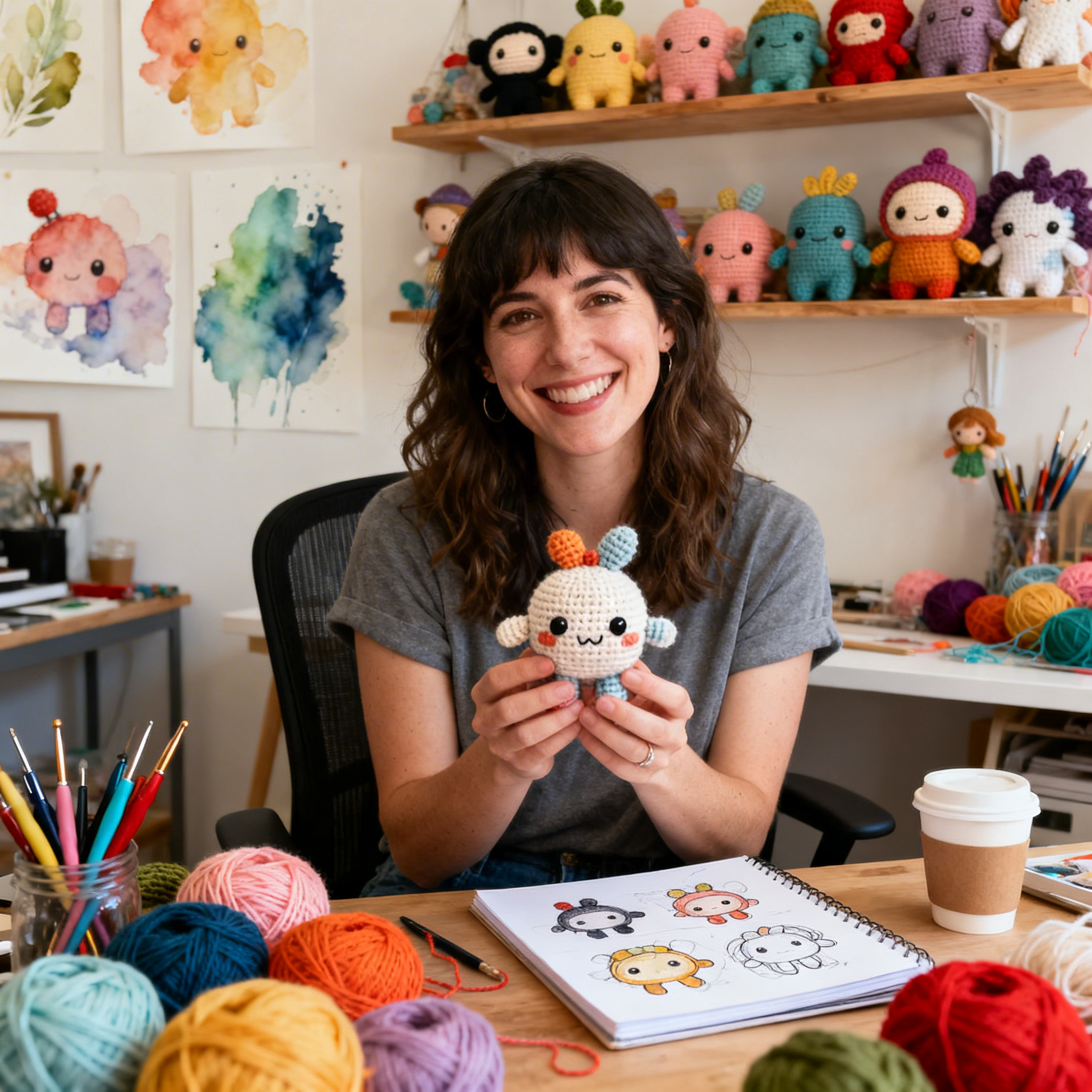
Clara Fern — Crochet Artist & Amigurumi Designer
Clara Fern is a crochet artist and amigurumi designer based in Austin, Texas. With 9 years of experience working with yarn and hook, she transformed a lifelong passion for handcraft into a creative mission: making amigurumi accessible, fun, and deeply rewarding for crafters of all levels.
Clara discovered amigurumi during a trip to Japan in 2017, where she fell in love with the art of bringing tiny characters to life through crochet. Back home in Texas, she spent years studying color theory, design principles, and advanced crochet techniques — developing her own signature style that blends kawaii aesthetics with original character design.
Through maclafersa.com, Clara shares everything she has learned — from choosing the right yarn and reading your first pattern, to designing fully original amigurumi characters from scratch. Her writing is known for being clear, detailed, and genuinely helpful, with no steps skipped and no secrets kept.
When she’s not crocheting, Clara enjoys watercolor painting, visiting local yarn shops, and drinking way too much coffee while sketching new character ideas.